Entrar
    Skoob logo

    Saiba mais

    Quem somosTermos de usoFale conoscoCentral de ajudaPrivacidade

    Fique por dentro

    Livros em destaque

    Explore

    LivrosAutoresEditorasLeitoresCortesias

    Siga nas redes sociais

    Baixe o app

    Google PlayApp Store
    Book cover
    Compartilhar
    Editar
    • Sinopse
    • Edições1
    • Vídeos0
    • Grupos0
    • Resenhas0
    • Leitores0
    • Similares0

    The Discovery of the Future - A Discourse Delivered to the Royal Institution on January 24, 1902

    H. G. Wells

    CreateSpace
    2019
    88 páginas
    2h 56m
    ISBN-13: 9781080986620
    4
    1 avaliação
    Leram0Lendo0Querem0Relendo0Abandonos0Resenhas0
    Favoritos0Desejados0Avaliaram1

    The Discovery of the Future is a 1902 philosophical lecture by H. G. Wells that argues for the knowability of the future. Wells begins by distinguishing between "two divergent types of mind," one that judges and attaches importance principally to what has happened in the past and one that judges and attaches importance principally to what will happen in the future. Calling the former "a more modern and much less abundant type of mind." Observing that these two minds reach incompatible consequences in the spheres of morality and public affairs, Wells analyzes the reasons for which the past-oriented mind predominates. But he argues that the inference that the future is essentially unknowable does not square with modern science. Wells then devotes the last part of his text to speculations about "the question what is to come after man," considering it "the most persistently fascinating and the most insoluble question in the whole world."
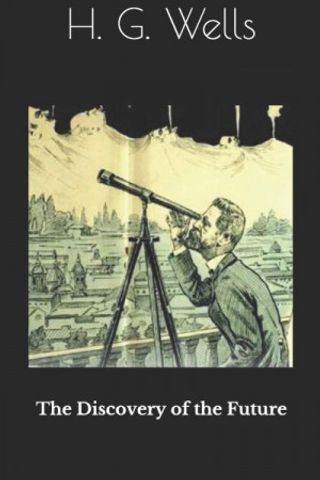
    Edições (1)

    Ver mais
    • book cover

    Estatísticas

    Avaliações

    4 / 1
    • 5 estrelas0%
    • 4 estrelas100%
    • 3 estrelas0%
    • 2 estrelas0%
    • 1 estrelas0%
    Herbert  George Wells profile picture

    Herbert George Wells

    Herbert George Wells, conhecido como H. G. Wells, foi um escritor britânico. Nos seus primeiros romances, descritos, ao tempo, como "romances científicos", inventou uma série de temas que foram mais tarde aprofundados por outros escritores de ficção científica, e que entraram na cultura popular em trabalhos como A Máquina do Tempo, O Homem Invisível e A Guerra dos Mundos. Outros romances, de natureza não fantástica, foram bem recebidos, sendo exemplos a sátira à publicidade Edwardiana Tono-Bungay e Kipps. Visionário, chegou a discutir em obras do início do século XX questões ainda atuais, como a ameaça de guerra nuclear, o advento de Estado Mundial e a Ética na manipulação de animais. Desde muito cedo na sua carreira, Wells sentiu que devia haver uma maneira melhor de organizar a sociedade, e escreveu alguns romances utópicos. Ele analisa a dicotomia entre a natureza e a educação e questiona a humanidade em livros como A Ilha do Dr. Moreau. À medida que envelhecia, Wells foi-se tornando cada vez mais pessimista acerca do futuro da humanidade.

    194 Livros
    653 Seguidores

    Herbert George Wells