After the economic disaster of the Great Leap Forward that claimed tens of millions of lives from 1958–1962, an aging Mao Zedong launched an ambitious scheme to shore up his reputation and eliminate those he viewed as a threat to his legacy. The stated goal of the Cultural Revolution was to purge the country of bourgeois, capitalistic elements he claimed were threatening genuine communist ideology. Young students formed the Red Guards, vowing to defend the Chairman to the death, but soon rival factions started fighting each other in the streets with semiautomatic weapons in the name of revolutionary purity. As the country descended into chaos, the military intervened, turning China into a garrison state marked by bloody purges that crushed as many as one in fifty people. The Cultural Revolution: A People’s History, 1962–1976 draws for the first time on hundreds of previously classified party documents, from secret police reports to unexpurgated versions of leadership speeches. Frank Dikötter uses this wealth of material to undermine the picture of complete conformity that is often supposed to have characterized the last years of the Mao era. After the army itself fell victim to the Cultural Revolution, ordinary people used the political chaos to resurrect the market and hollow out the party’s ideology. In short, they buried Maoism. By showing how economic reform from below was an unintended consequence of a decade of violent purges and entrenched fear, The Cultural Revolution casts China’s most tumultuous era in a wholly new light.
The Cultural Revolution - A People's History, 1962―1976
Frank Dikötter
Bloomsbury Press
2016
432 páginas
14h 24m
ISBN-10: 1632864215
Edições (1)
Ver mais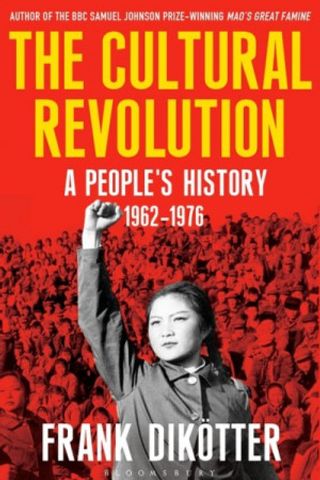
Estatísticas
Avaliações
4 / 1- 5 estrelas0%
- 4 estrelas100%
- 3 estrelas0%
- 2 estrelas0%
- 1 estrelas0%
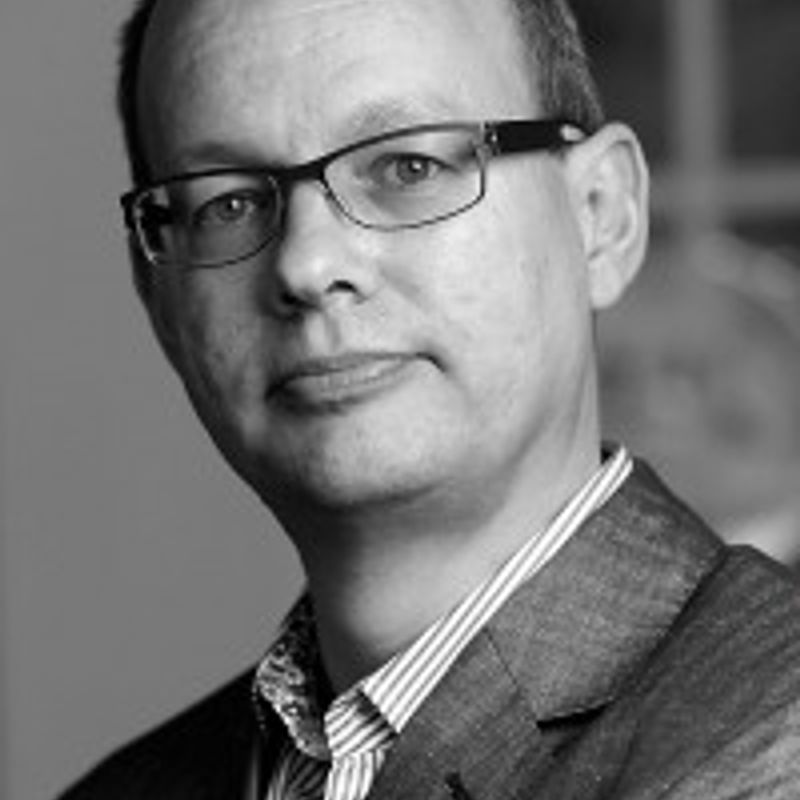
Frank Dikötter
Frank Dikötter é um historiador holandês especializado na China moderna. Dikötter é mais conhecido como o autor da Grande Fome de Mao, que ganhou o Prêmio Samuel Johnson 2011. Dikötter é professor de ciências humanas na Universidade de Hong Kong, onde ministra cursos sobre Mao Zedong e a Grande Fome Chinesa. Ele foi professor da história moderna da China na Escola de Estudos Orientais e Africanos da Universidade de Londres.
5 Livros
3 Seguidores
Limburg, Holanda