In “Abstraction and Empathy,” Worringer defines creative pleasure as essential to the human experience. He traces its origins back to the oldest known artworks created by human hands. Most importantly, he notes that some of those ancient artworks mimic reality, but most do not. Worringer's classic study argues that in historical periods of anxiety and uncertainty, man seeks to abstract objects from their unpredictable state and transform them into absolute, transcendental forms.
Abstraction and Empathy - A Contribuition to the Psychology of Style
Wilhelm Worringer
Martino Publishing
2014
144 páginas
4h 48m
ISBN-13: 9781614275879
Edições (1)
Ver mais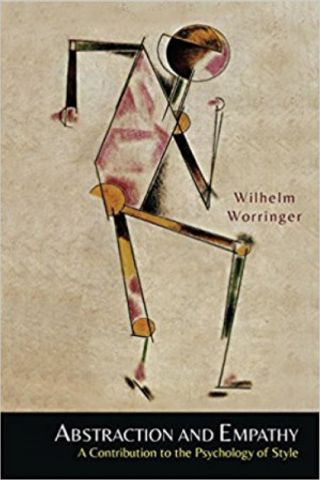
Estatísticas
Avaliações
0 / 0- 5 estrelas0%
- 4 estrelas0%
- 3 estrelas0%
- 2 estrelas0%
- 1 estrelas0%