In The Stoic Philosophy of Seneca, representative selections from Seneca's writings offer the reader an excellent introduction to the range of his work. The selections are drawn from the essays, or dialogues, and the "Consolations;" from the treatises, of which "On Clemency," addressed to the young Nero, is included here; and from the Letters to Lucilius, which have to do not only with philosophical subjects but also with Seneca's personal experiences, such as journeys and visits. Moses Hadas has selected letters and essays which reveal Seneca's major philosophical themes—the relationship of the individual to society and to the gods; the meaning of pain and misfortune; man's attitudes to change, time, and death; and the nature of the highest good and of the happy life. In his Introduction, Professor Hadas discusses Seneca's life and work, tracing the history of his reputation; comments on Seneca's style; and outlines the origins and tenets of Stoicism.
The Stoic Philosophy of Seneca - Essays and Letters
Sêneca
W.W. Norton & Company
1968
261 páginas
8h 42m
ISBN-13: 9780393004595
Edições (1)
Ver mais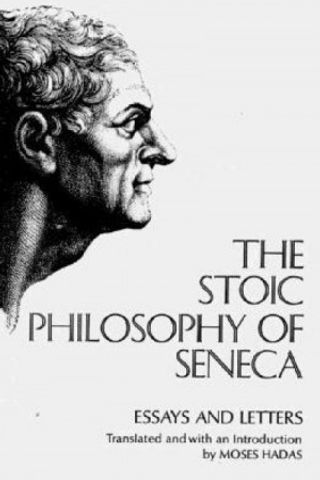
Estatísticas
Avaliações
0 / 0- 5 estrelas0%
- 4 estrelas0%
- 3 estrelas0%
- 2 estrelas0%
- 1 estrelas0%

Lucius Annaeus Seneca
Lúcio Aneu Sêneca (em latim: Lucius Annaeus Seneca; Corduba, 4 a.C. — Roma, 65 d.C.) foi um dos mais célebres escritores e intelectuais do Império Romano. Conhecido também como Sêneca, o Moço, o Filósofo, ou ainda, o Jovem, sua obra literária e filosófica, tida como modelo do pensador estoico durante o Renascimento, inspirou o desenvolvimento da tragédia na dramaturgia europeia renascentista.
60 Livros
225 Seguidores
Hispania, Império Romano