O romance de Cáriton, Quéreas e Calírroe, pertence ao género ‘romance de amor’, um modelo com grande difusão na literatura grega da época helenística. Apesar de todas as dificuldades de datação, há algum consenso sobre a ideia de que se trata do mais antigo dos textos conservados do mesmo género. Além da sobriedade de estilo e da importância de um texto que repercute toda uma tradição literária anterior, o romance de Cáriton tem, como sua particularidade, uma falsa patine histórica, que resulta da menção de alguns acontecimentos e personagens paradigmáticos.
Quéreas e Calírroe (Autores Gregos e Latinos #49) -
Cáriton de Afrodísias
Imprensa da Universidade de Coimbra
2017
230 páginas
7h 40m
ISBN-10: 9892615034
Português
Edições (1)
Ver mais
Estatísticas
Avaliações
3.8 / 2- 5 estrelas0%
- 4 estrelas100%
- 3 estrelas0%
- 2 estrelas0%
- 1 estrelas0%
Cáriton de Afrodísias
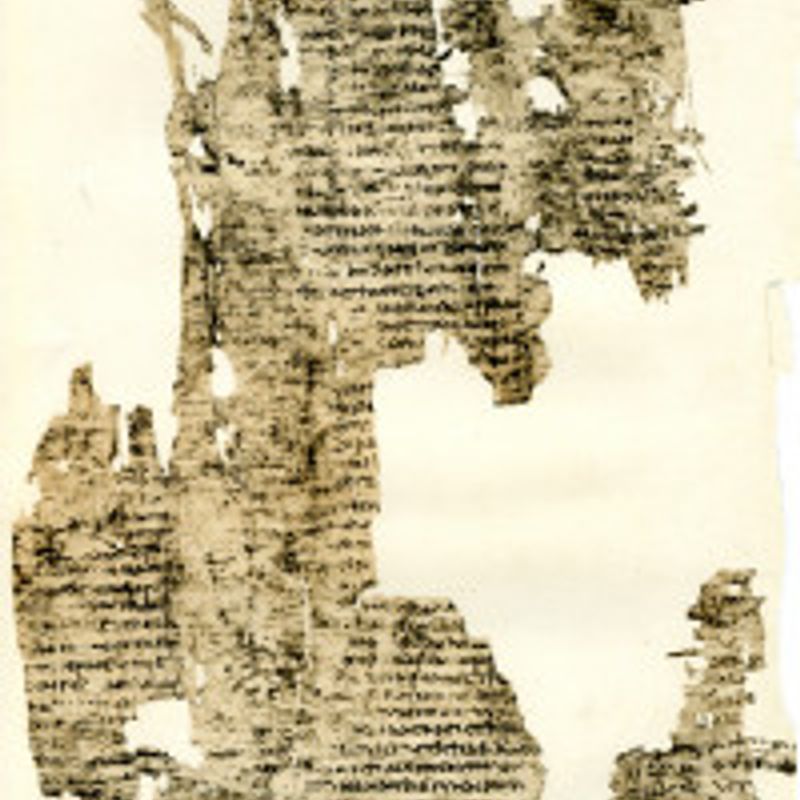
Chariton of Aphrodisias (Greek: Χαρίτων Ἀφροδισεύς) was the author of an ancient Greek novel probably titled Callirhoe (based on the subscription in the sole surviving manuscript), though it is regularly referred to as Chaereas and Callirhoe (which more closely aligns with the title given at the head of the manuscript). Recent evidence of fragments of the text on papyri suggests that the novel may have been written in the mid 1st century AD, making it the oldest surviving complete ancient prose romance and the only one to make use of apparent historiographical features for background verisimilitude and structure, in conjunction with elements of Greek mythology, as Callirhoë is frequently compared to Aphrodite and Ariadne and Chaereas to numerous heroes, both implicitly and explicitly. As the fiction takes place in the past, and historical figures interact with the plot, Callirhoe may be understood as the first historical novel; it was later imitated by Xenophon of Ephesus and Heliodorus of Emesa, among others. De Cáriton de Afrodísias sabe-se apenas o que o narrador de Quéreas e Calírroe declara no parágrafo de abertura da obra: originário da cidade cária de Afrodísias, na Ásia Menor (hoje, Turquia), viveu durante o século I d.C. À época a cidade mantinha relações privilegiadas com Roma e se converteu em importante centro político na região. É de se supor que Cáriton tivesse formação retórica, já que afirma ter sido secretário de um orador de nome Atenágoras e demonstra familiaridade com autores centrais da poesia e da prosa gregas, que cita com frequência. Juntamente com Xenofonte de Éfeso, Longo, Aquiles Tácio e Heliodoro, ele compõe o cânone de autores do romance de amor idealizado, que floresceu entre os séculos I d.C. e IV d.C. e do qual Quéreas e Calírroe teria sido um dos primeiros expoentes.
3 Livros
1 Seguidor
Cária, Império Romano