One of Chinua Achebe's many achievements in his acclaimed first novel, Things Fall Apart, is his relentlessly unsentimental rendering of Nigerian tribal life before and after the coming of colonialism. First published in 1958, just two years before Nigeria declared independence from Great Britain, the book eschews the obvious temptation of depicting pre-colonial life as a kind of Eden. Instead, Achebe sketches a world in which violence, war, and suffering exist, but are balanced by a strong sense of tradition, ritual, and social coherence. His Ibo protagonist, Okonkwo, is a self-made man. The son of a charming ne'er-do-well, he has worked all his life to overcome his father's weakness and has arrived, finally, at great prosperity and even greater reputation among his fellows in the village of Umuofia. Okonkwo is a champion wrestler, a prosperous farmer, husband to three wives and father to several children. He is also a man who exhibits flaws well-known in Greek tragedy: Okonkwo ruled his household with a heavy hand. His wives, especially the youngest, lived in perpetual fear of his fiery temper, and so did his little children. Perhaps down in his heart Okonkwo was not a cruel man. But his whole life was dominated by fear, the fear of failure and of weakness. It was deeper and more intimate than the fear of evil and capricious gods and of magic, the fear of the forest, and of the forces of nature, malevolent, red in tooth and claw. Okonkwo's fear was greater than these. It was not external but lay deep within himself. It was the fear of himself, lest he should be found to resemble his father. And yet Achebe manages to make this cruel man deeply sympathetic. He is fond of his eldest daughter, and also of Ikemefuna, a young boy sent from another village as compensation for the wrongful death of a young woman from Umuofia. He even begins to feel pride in his eldest son, in whom he has too often seen his own father. Unfortunately, a series of tragic events tests the mettle of this strong man, and it is his fear of weakness that ultimately undoes him. Achebe does not introduce the theme of colonialism until the last 50 pages or so. By then, Okonkwo has lost everything and been driven into exile. And yet, within the traditions of his culture, he still has hope of redemption. The arrival of missionaries in Umuofia, however, followed by representatives of the colonial government, completely disrupts Ibo culture, and in the chasm between old ways and new, Okonkwo is lost forever. Deceptively simple in its prose, Things Fall Apart packs a powerful punch as Achebe holds up the ruin of one proud man to stand for the destruction of an entire culture. http://www.amazon.com/Things-Apart-Norton-Critical-Editions/dp/0393932192
Edições (2)
Ver mais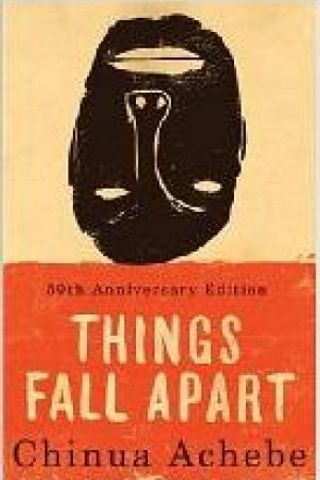
Resenhas (9)Ver mais

Luciano Duarte17/08/2022Resenhou um livro
Fenomenal!
15 curtidas
Estatísticas
Avaliações
4.2 / 162- 5 estrelas36%
- 4 estrelas43%
- 3 estrelas14%
- 2 estrelas6%
- 1 estrelas1%
Albert Chinualumgu Achebe
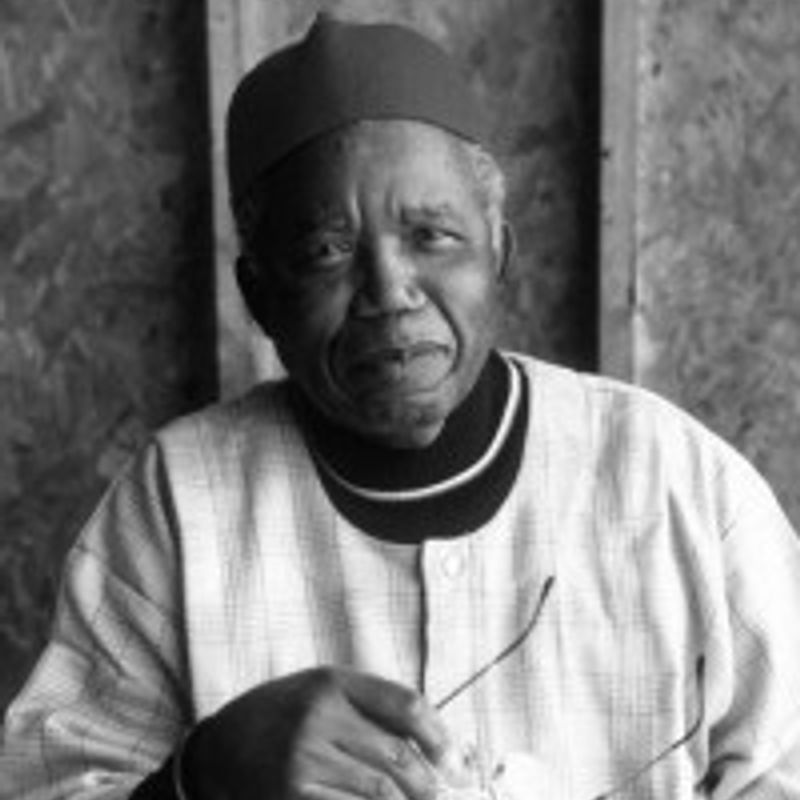
Albert Chinualumogu Achebe nasceu em Ogidi no início da década de 1930, 30 anos antes da Nigéria se libertar do domínio colonial britânico. Fez seus estudos básicos em um colégio missionário e, embora educado na cultura ocidental, também foi criado na cultura tradicional Igbo, seu grupo étnico, no sudeste da Nigéria. Quando chegou a universidade, ele renegou o seu nome britânico, Albert, para assumir o seu nome Igbo: Chinualumogu (Chinua abreviado). Sua obra mais conhecida é <i>O mundo se despedaça</i> (em inglês: <i>Things Fall Apart</i>), publicada em 1958, quando ele tinha 28 anos, e que foi traduzida para mais de cinquenta línguas. O romance trata de considerações a respeito dos conflitos entre o governo colonial britânico e a cultura Igbo. Outros destaques da sua carreira literária foram <i>A paz dura pouco, A flecha de Deus</i> e <i>A educação de uma criança sob o protetorado britânico</i>. Ele foi um crítico da maneira como os autores estrangeiros retratavam a África, especialmente no livro <i>O Coração das trevas</i>, de Joseph Conrad. O escritor deixou sua pátria várias vezes para trabalhar como professor nos Estados Unidos e passou a morar definitivamente nesse país em 1990, após sofrer um acidente de carro que o deixou com problemas motores. Ainda assim, lecionava na Universidade de Brown. Mesmo sendo muito respeitado na Nigéria, tanto pela sua obra literária quanto também pelas suas tomadas de posição, Achebe criticava frequentemente os dirigentes nigerianos, pela corrupção e má administração do país, tendo recusado por duas vezes ser condecorado pelas autoridades locais. Em 2007, foi galardoado com o prestigioso Prémio Internacional Man Booker. Em 2012, ele lançou o livro <i>There was a Country: a Pessoal History of Biafra</i>, onde relembrou suas vivências na época do conflito em Biafra e o governo central da Nigéria, quando Achebe desempenhou funções diplomáticas e fez parte do Ministério de Informação de Biafra até o fim da guerra. Achebe morreu em Boston, aos 82 anos, em 21 de março de 2013.
36 Livros
86 Seguidores