From Amanda Claybaugh's Introduction to Mansfield Park Mary Crawford is, or so it seems, the very model of a Jane Austen heroine. Spirited, warm-hearted, and, above all else, witty, she displays all the familiar Austen virtues, and she stands in need of the familiar Austen lessons as well. Like Elizabeth Bennet, the heroine of Pride and Prejudice (1813), she banters archly with the man she is falling in love with, and, like Elizabeth, she must learn to set aside her preconceptions in order to recognize that love. Like Emma Woodhouse, the heroine of Emma (1816), she speaks more brilliantly and speculates more dazzlingly than anyone around her, and, like Emma, she must learn to rein in the wit that tempts her at times to impropriety. But Mary Crawford is not the heroine of Mansfield Park (1814)—Fanny Price is, and therein lies the novel's great surprise. For Fanny differs not merely from Mary, but also from our most basic expectations of what a novel's protagonist should do and be. In Fanny, we have a heroine who seldom moves and seldom speaks, and never errs or alters. "'I must move,'" Mary announces, "'resting fatigues me'." Before her arrival at Mansfield, she had made a glamorous circuit of winters in London and summers at the country houses of friends, with stops at fashionable watering places in between, and at Mansfield she is no less mobile. A vigorous walker, she soon takes up riding, cantering as soon as she mounts. Fanny, by contrast, has hardly left the grounds of Mansfield since her arrival eight years before, and she is further immobilized by her weakness and timidity. A half-mile walk is beyond her, a ball, she fears, will exhaust her, and she is prostrated by headache after picking roses. She must be lifted onto the horse she was long too terrified to approach, and her exercise consists of being led by a groom. "'Now, do not be suspecting me of a pun, I entreat,'" says Mary to her listeners, who have not, in fact, caught the joke at all. So dazzling a talker is Mary that she must serve as her own best audience, amusing herself with witticisms the others cannot hear. With a keener eye and a sharper tongue than those around her, Mary sets her words dancing alongside the inanities, vulgarities, and hypocrisies that make up the other characters' speech. Fanny, by contrast, barely speaks at all, and when she does, it is in the silencing language of moral certainty. "'Very indecorous,'" Edmund says of Mary's far more captivating discourse, and Fanny is quick to agree and contribute a judgment of her own: "'and very ungrateful.'" There is little that can be said after that. "'I will stake my last like a woman of spirit,'" Mary proclaims in the midst of a card game that Fanny had been reluctant to play at all. Mary wins the hand, only to find that it has cost her more than it was worth, and, in doing so, she reminds us that to act is necessarily to risk being wrong. Fanny, by contrast, is always right. "'Fanny is the only one who has judged rightly throughout'"—this is Edmund Bertram speaking to Sir Thomas in the aftermath of the theatricals, but it could just as properly be the narrator at the novel's end. The language of Fanny's right judgment suggests, however, that her moral certainty is a function of her passivity: "'No, indeed, I cannot act,'" she had insisted, and the double meaning of "acting" suggests that Fanny knows not to "act" in a theatrical sense because she never really "acts" at all. It is in the contrast between Fanny and Mary that we can most clearly see that Mansfield Park is, in the words of the critic Tony Tanner, "a novel about rest and restlessness, stability and change-the moving and the immovable" (Jane Austen, p. 145; see "For Further Reading"). Mansfield Park is hardly the only Austen novel to take as its subject matter a pair of opposed terms, but typically these terms stand in a dynamic relation to one another, each altering the other until a proper synthesis or balance is achieved. In Sense and Sensibility (1811), for instance, the rational Elinor Dashwood and her romantic sister Marianne must each learn from the other to moderate her mode of feeling; similarly, Mr. Darcy must modify his pride and Elizabeth, her prejudice before marriage can unite them. Other of Austen's novels draw careful distinctions within a single term, as when Persuasion (1818) establishes a continuum from the most laudable to the most lamentable instances of conforming to the wishes of others. Mansfield Park stands alone in this regard, for it unequivocally endorses one set of terms and unequivocally condemns the other. Rest has, in this novel, nothing to learn from restlessness, and restlessness can in no way be redeemed.
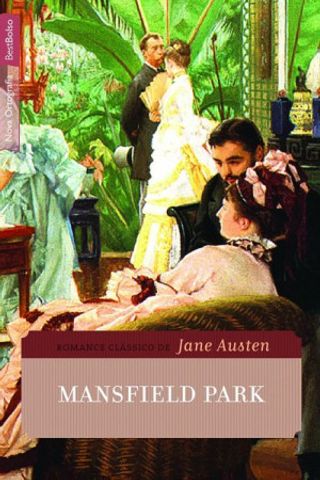
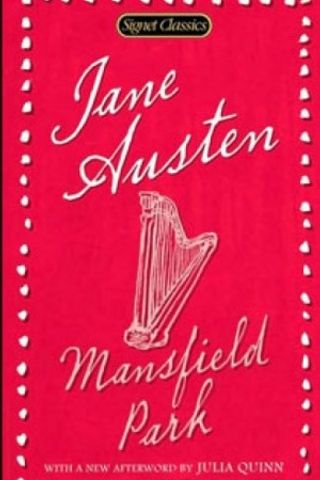
Mansfield Park -
Jane Austen
Barnes & Noble Classics
2005
464 páginas
15h 28m
ISBN-10: 1593081545

Resenhas (676)Ver mais

Andreia Santana21/03/2010Resenhou um livro
Mistérios insondáveis de Fanny
Fanny é uma protagonista irritante, sem dúvida. Não é audaciosa, ao contrário, é covarde, submissa, ingênua. Ao menos, essa é a primeira impressão ao ler Mansfield Park: que Fanny não passa da avó da Polianna. No entanto, na medida em que o livro avança, a jogada de gênio de Jane Austen fica mais clara. Fanny é uma boa moça, sem dúvida, para os padrões do século XVIII, mas tem seus momentos de maus pensamentos. É implacável no julgamento dos outros, não faz concessões, tem seus desafetos, permite-se sentir inveja dos que estão em melhor situação que a sua. Morando de favor na casa dos tios ricos, para onde foi levada aos 12 anos, se humilha porque acredita que deve manter-se em seu lugar, mas guarda ressentimentos (é humana afinal!). Equilibra-se a um passo entre a santidade e a amargura e é isto que faz dela uma personagem tão estimulante. Através da doce Fanny, Jane Austen consegue reunir diversos conflitos da alma humana numa única pessoa. Apesar da atividade freqüente, Fanny é indolente, pois tem preguiça (mais do que medo) de encarar sua vida e dissabores de frente, ela prefere arrumar desculpas convenientes para as desditas. Prefere acomodar-se na posição do patinho feio da família. Age na sombra, influencia a todos sem que eles percebam que estão sendo influenciados. Ao longo das mais de 300 páginas, nós leitores somos levados a amar Fanny profundamente e a odiá-la com todas as forças por ela ser tão patética. Não conseguimos compreender porque ela agüenta as maldades da tia Norris, uma viúva amarga e cruel; ou porque se submete a ser a escrava de luxo de sua tia Bertram, uma matrona tolinha, leviana e completamente subjugada pelo marido. Lady Bertram acomoda-se na posição de grande dama e não emite uma única opinião sem que consulte Sir Thomas, sem que ele lhe diga o que é e o que não é adequado. Acostumada que decidam tudo por ela, passa os dias bordando sentada no sofá, com um cachorrinho no colo. Com essa personagem, Austen descreve exatamente o que era uma mulher bibelô naqueles tempos em que a beleza física era o maior atributo de mulheres que serviam apenas de adorno e objeto sexual. Todos os personagens de Mansfield Park trazem em si as controvérsias de ser humano. O bom vivant Henry mostra-se capaz de atos de grande cavalheirismo, mas como o escorpião, não consegue fugir da própria natureza; enquanto o cavalheiro, quase padre (anglicano), Edmund, é capaz de entregar-se à maledicência e ao julgamento pelas aparências. Não são raras as passagens em que ele e a prima Fanny entregam-se com prazer à arte de falar mal das atitudes alheias, condenando todos com base no ideal de comportamento que tem por padrão eles mesmos! Em alguns momentos, Fanny parece hipócrita. Já a leviana Mary divide-se entre o desejo de dar o golpe do baú e o de ser livre, de ter o direito de pensar por conta própria. Liberdade e mulher eram palavras mais do que opostas no século XVIII e através de Mary Crawford, a autora mostra o quanto era difícil fugir do script traçado pela cultura e educação recebidas. Mary até tenta, mas não passa de outra caçadora de maridos, maldosa e maliciosa. A autora britânica critica o jogo de aparências em todas as suas obras, mas nesta, mostra uma sociedade inteiramente construída sobre a imagem projetada e as expectativas sociais. Não é à toa que projetos vivem sendo frustrados, porque ninguém age em Mansfield Park sem lançar mão da dissimulação. Fanny mais que todos, faz da dissimulação uma arma poderosa de sobrevivência. Mansfield Park foi publicado em 1814, quando Jane Austen estava com 39 anos. É um dos livros mais intrigantes da autora, embora eu considere inferior a Razão e Sensibilidade, por exemplo, e anos luz da obra prima dela, Orgulho e Preconceito (estou apaixonada por este livro e por Elisabeth Bennet, a melhor heroína da escritora, sem sombra de dúvida!). O que desafia em Mansfield é justamente o caráter de Fanny, a cada página ela se revela de uma forma. Seu retorno para casa, após ser criada na mansão dos tios, e o desprezo que parece nutrir pela própria família, considerada pobre e mal-educada, dizem muito mais sobre seu caráter do que qualquer outra passagem do livro. Embora tenha boas intenções e uma alma mais propensa à sensatez, Fanny também não consegue fugir da educação recebida e das expectativas sociais. Esta é a obra de Jane Austen considerada a mais autobiográfica. Todo o universo da autora descreve o cotidiano da sua infância e juventude (ela morreu aos 42 anos, relativamente jovem), da Inglaterra rural e o mundo das caçadoras de marido, dos dotes, dos contratos de casamento, das convenções sociais e da dissimulação. Mas Mansfield Park pode ser considerado o tratado de Austen sobre o ato de dissimular e talvez seja o livro onde ela menos usa o humor e mais se entrega a amarga decepção de constatar que o seu mundo era uma prisão de grades douradas.
248 curtidas
Estatísticas
Avaliações
3.9 / 5410- 5 estrelas27%
- 4 estrelas37%
- 3 estrelas27%
- 2 estrelas7%
- 1 estrelas1%