The stories are all set in an undefined far future Earth, when the sun is nearing the end of its life. The sky ranges from pink to deep blue, lit by a dim red sun, and many strange plants and animals exist. Much of the story is set within the forested country of Ascolais, and in the ruined cities that dot the landscape. The setting is marked by the presence of unaccountably ancient ruins and other fragments of now-decayed civilizations. The human population is shrinking, and most live in the remaining structures built long ago, in varying degrees of ruin, squalor, or luxury. In addition, many people make use of technology or magic which was created long ago, but which they no longer understand. No distinction is ever made between technology created through science and that created by magic; the line between the two is blurred, and it is heavily implied that the two are ultimately indistinguishable. The characters in the stories are aware that they live on a "Dying Earth" and often make carefree, nihilistic references to the fact that their planet does not have much longer to live, assuming that the sun will soon burn itself out. It is never explained how long the Earth has left to live; it could be only decades, or possibly still thousands or millions of years. Many of the most important people in Ascolais are wizards. In the Dying Earth, wizards use magic primarily by memorizing lengthy formulas for spells, and then activating them by speaking the proper commands. Once cast, the spell formula is instantly forgotten, forcing the wizard to reread and re-memorize them. Because even talented wizards can only memorize and "load" a handful of spells, wizards also have to rely on magical relics and on their other skills and talents to protect them. There are only one hundred spells which are still known to mankind, out of thousands which were discovered over the course of history. Pandelume implies that what the people of the Dying Earth call "magic" actually has a scientific origin; he indicates that many spells were invented through the use of mathematics and mundane sciences.
Estatísticas
Avaliações
3.9 / 9- 5 estrelas44%
- 4 estrelas22%
- 3 estrelas22%
- 2 estrelas11%
- 1 estrelas0%
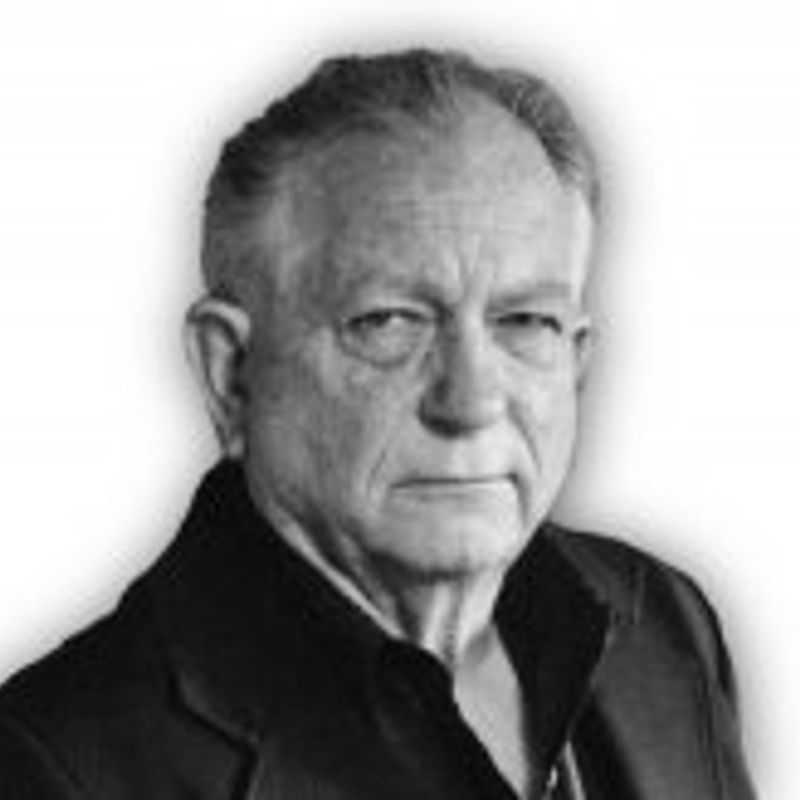
John Holbrook Vance
John Holbrook Vance (28 de agosto de 1916, San Francisco, Califórnia) é geralmente descrito como um escritor de ficção científica e fantasia estadunidense, embora o próprio Vance tenha por diversas vezes se manifestado contra esses rótulos. A maior parte do seu trabalho foi publicado sob o nome Jack Vance. Vance publicou 11 histórias de mistério como John Holbrook Vance e 3 como Ellery Queen. Utilizou ainda outros pseudônimos, tais como Alan Wade, Peter Held, John van See, Jay Kavanse. Entre suas premiações estão o Hugo Award (1963, por The Dragon Masters e em 1967 por The Last Castle); um Nebula Award em 1966, também por The Last Castle; o Jupiter Award em 1975; o World Fantasy Award em 1984 pelo conjunto da obra e em 1990 por Lyonesse: Madouc; um Edgar Award (o equivalente do Nebula para histórias de mistério) pelo melhor romance de mistério de 1961 por The Man in the Cage. Em 1992 ele foi Convidado de Honra da WorldCon em Orlando, Flórida; e em 1996 foi nomeado Grande Mestre da SFWA. No geral, é tido em alta estima por críticos e colegas de profissão, alguns dos quais sugeriram que ele transcende rótulos de gênero e deveria ser considerado como um escritor importante pelos padrões da literatura convencional. Poul Anderson, por exemplo, certa vez chamou-o de "o maior escritor estadunidense vivo" na ficção científica (e não da ficção científica).
18 Livros
15 Seguidores
Califórnia, Estados Unidos