Man'yōshū (em japonês: 万葉集, man'yōshū?, "Coleção das Dez Mil Folhas") é a mais antiga coleção da poesia japonesa, compilada em torno de 759 d.C., durante o período Nara.
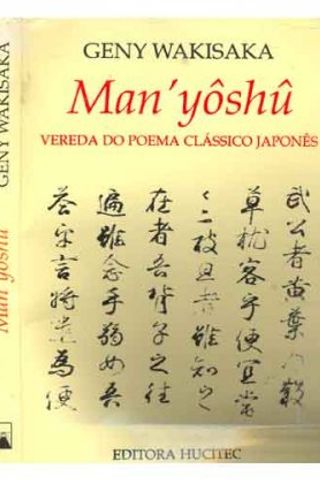
Man'yōshū (em japonês: 万葉集, man'yōshū?, "Coleção das Dez Mil Folhas") é a mais antiga coleção da poesia japonesa, compilada em torno de 759 d.C., durante o período Nara.

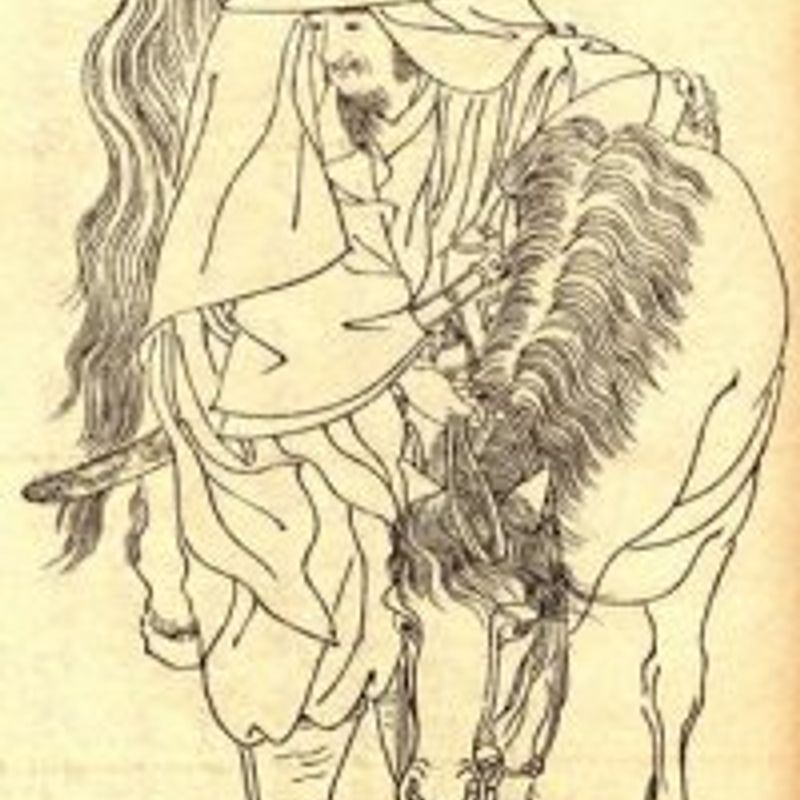
Ōtomo no Tabito (大伴旅人; c. 662-731) was a Japanese poet, best known as the father of Ōtomo no Yakamochi, who contributed to compiling the Man'yōshū alongside his father. Tabito was a contemporary of Hitomaro, but lacked his success in the Imperial Court. While serving as Governor-General of Dazaifu, the military procuracy in northern Kyūshū from 728-730, Tabito hosted a plum-blossom party, encouraging the composition of poetry among his subordinates in imitation of Chinese style elegance. He also showed his Chinese education in his set of thirteen tanka in praise of sake.