This book is a long-awaited major statement by a pre-eminent analytic philosopher, Alvin Plantinga, on one of our biggest debates -- the compatibility of science and religion. The last twenty years has seen a cottage industry of books on this divide, but with little consensus emerging. Plantinga, as a top philosopher but also a proponent of the rationality of religious belief, has a unique contribution to make. His theme in this short book is that the conflict between science and theistic religion is actually superficial, and that at a deeper level they are in concord. Plantinga examines where this conflict is supposed to exist -- evolution, evolutionary psychology, analysis of scripture, scientific study of religion -- as well as claims by Dan Dennett, Richard Dawkins, and Philip Kitcher that evolution and theistic belief cannot co-exist. Plantinga makes a case that their arguments are not only inconclusive but that the supposed conflicts themselves are superficial, due to the methodological naturalism used by science. On the other hand, science can actually offer support to theistic doctrines, and Plantinga uses the notion of biological and cosmological "fine-tuning" in support of this idea. Plantinga argues that we might think about arguments in science and religion in a new way -- as different forms of discourse that try to persuade people to look at questions from a perspective such that they can see that something is true. In this way, there is a deep and massive consonance between theism and the scientific enterprise.
Where the Conflict Really Lies - Science, Religion, and Naturalism
Alvin Plantinga
Oxford University Press
2011
376 páginas
12h 32m
ISBN-13: 9780199812097
Estatísticas
Avaliações
5 / 1- 5 estrelas100%
- 4 estrelas0%
- 3 estrelas0%
- 2 estrelas0%
- 1 estrelas0%
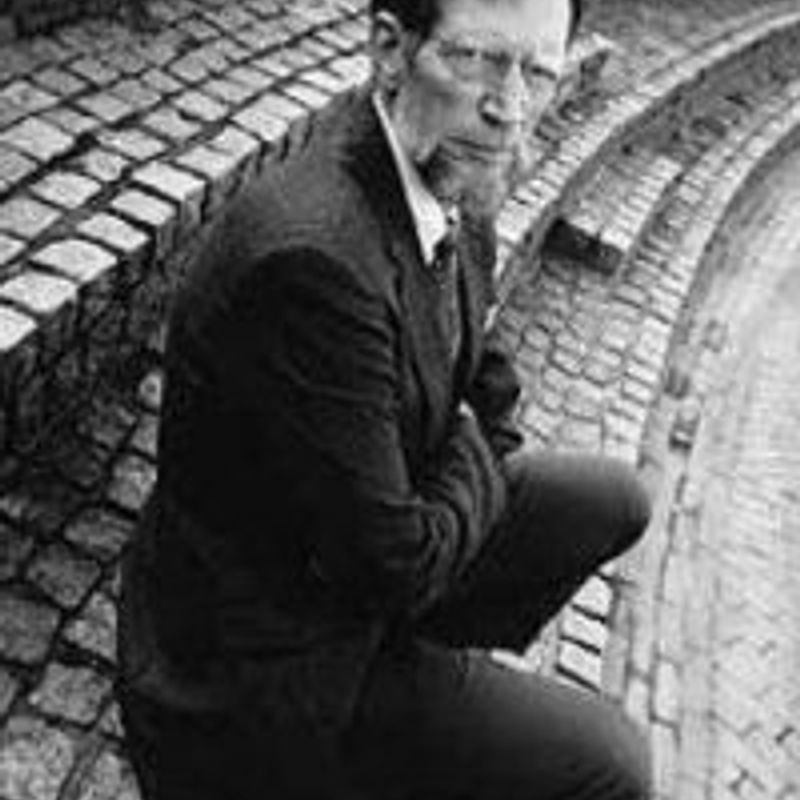
Alvin Carl Plantinga
Alvin Plantinga é tido, ao lado de Richard Swinburne, o principal filósofo da religião do mundo. Alvin Plantinga é um filósofo considerado pela revista Time, como a figura central em uma revolução silenciosa que trouxe a respeitabilidade da crença em Deus entre filósofos acadêmicos. Plantinga é Ph.D. em filosofia pela Universidade de Yale e atual ocupante da cadeira John A. O’Brien de filosofia na Universidade de Notre Dame. Autor de inúmeros livros e artigos, a sua reflexão filosófica incide não apenas sobre a filosofia da religião, mas também sobre a metafísica e a teoria do conhecimento. Na área da metafísica, da modalidade destacou-se por oferecer um dos primeiros tratamentos alargados dos conceito de necessidade e mundos possíveis, no livro The Nature of Necessity (1974) — isto numa altura em que não só poucos filósofos dominavam os aspectos elementares da lógica modal, crucial para acompanhar o raciocínio e a teorização nesta área, como as resistências de Quine (segundo as quais os conceitos modais seriam incoerentes) eram ainda levadas muito a sério. O livro Deus, a Liberdade e o Mal (originalmente publicado no mesmo ano) foi responsável por mudar o debate sobre o problema do mal: até então, o debate centrava-se na suposta incompatibilidade lógica entre a existência da divindade teísta e a existência de mal; Plantinga defendeu com tal vigor a ideia de que nenhuma inconsistência havia, que o debate passou desde então a centrar-se na ideia de que a existência de mal não é logicamente incompatível com a divindade teísta, mas que constitui um forte indício contra a probabilidade da sua existência. Na antologia Faith and Rationality (1983), por si co-organizada, está já presente o trabalho que o ocuparia nas próximas décadas: a ideia de que é epistemicamente legítimo ou racionalmente aceitável acreditar na divindade teísta sem provas. Este tema reapareceu nos seus três livros seguintes: Warrant: The Current Debate (1993), Warrant and Proper Function (1993) e Warranted Christian Belief (2000). Rigoroso, sofisticado, por vezes humorístico, Plantinga é um dos filósofos de hoje que exibe o melhor da filosofia contemporânea. Desconhecer o seu pensamento é hoje sinal de uma desatenção incompatível com um interesse genuíno pela filosofia.
15 Livros
15 Seguidores
Michigan, Estados Unidos