The Commonwealth of Oceana, published 1656, is a composition of political philosophy written by the English politician and essayist, James Harrington (1611–1677). When first attempted to be published, it was officially censored by Lord Protector Oliver Cromwell (1599–1658). It was eventually published, with a dedication to Cromwell.[1] Harrington's magnum opus, Oceana is an exposition on an ideal constitution, designed to allow for the existence of a utopian republic. Oceana was read contemporaneously as a metaphor for interregnum England, with its beneficent lawgiver Olphaus Megaletor representing Cromwell. The details of this ideal governing document are set out, from the rights of the state to the salaries of low officials. Its strategies were not implemented at the time. The first constituent in Harrington's theoretical argument states that the determining element of power in a state is property, particularly property in land. The second is that the executive power ought not to be vested for any considerable time in the same man, men, or class of men. In accordance with the first of these, Harrington recommends an agrarian law, limiting holdings of land to the amount yielding a revenue of £2000, and consequently insisting on particular modes of distributing landed property. As a practical issue of the second he lays down the rule of rotation by ballot. A third part of the executive or senate are voted out by ballot every year, and may not be elected again for three years. Harrington explains very carefully how the state and its governing parts are to be constituted by his scheme.
The Commonwealth of Oceana -
James Harrington
HardPress Publishing
1656
298 páginas
9h 56m
ISBN-13: 9781313789462
Estatísticas
Avaliações
0 / 0- 5 estrelas0%
- 4 estrelas0%
- 3 estrelas0%
- 2 estrelas0%
- 1 estrelas0%
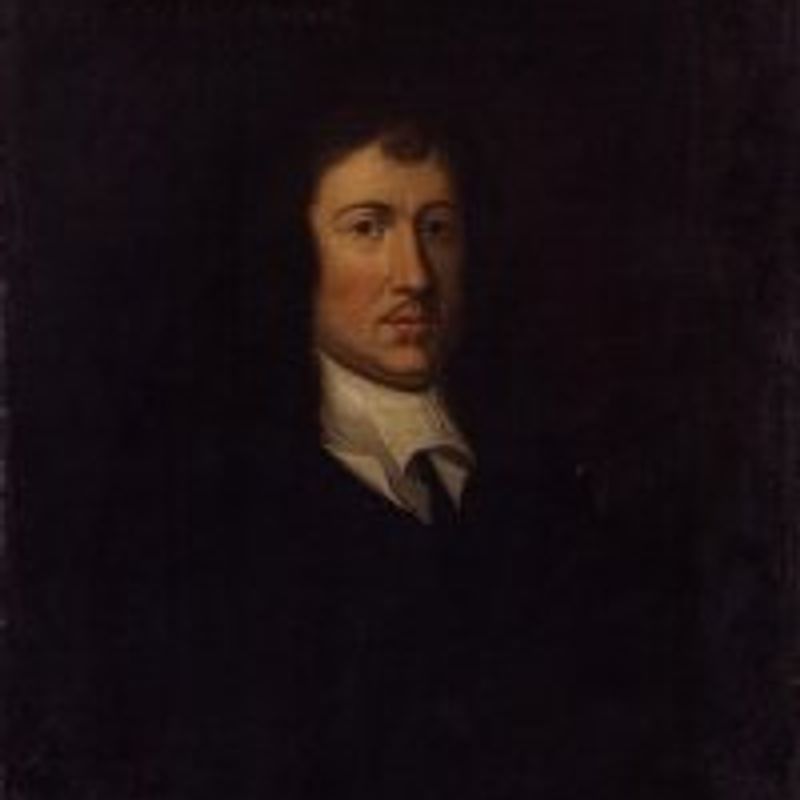
James Harrington
James Harrington (ou Harington) (03 janeiro de 1611 - 11 de setembro de 1677) foi um teórico político inglês do republicanismo clássico, mais conhecido por seu trabalho controverso, The Commonwealth of Oceana (1656). Este trabalho foi uma exposição sobre uma constituição ideal, projetado para facilitar o desenvolvimento de uma república utópica.
1 Livro
0 Seguidor
Northamptonshire, Inglaterra