The Metaphysics -

    Aristotle

    Penguin Classics
    1999
    528 páginas
    17h 36m
    ISBN-10: 0140446192
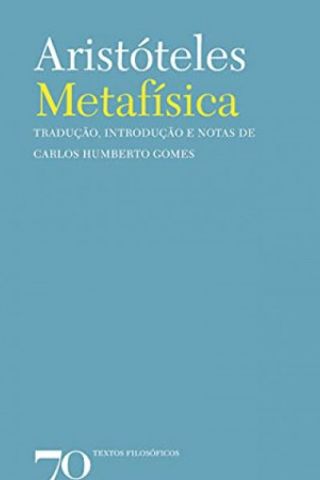
    Aristotle's probing inquiry into some of the fundamental problems of philosophy, "The Metaphysics" is one of the classical Greek foundation-stones of western thought, translated from the with an introduction by Hugh Lawson-Tancred in "Penguin Classics". "The Metaphysics" presents Aristotle's mature rejection of both the Platonic theory that what we perceive is just a pale reflection of reality and the hard-headed view that all processes are ultimately material. He argued instead that the reality or substance of things lies in their concrete forms, and in so doing he probed some of the deepest questions of philosophy: What is existence? How is change possible? And are there certain things that must exist for anything else to exist at all? The seminal notions discussed in "The Metaphysics" - of 'substance' and associated concepts of matter and form, essence and accident, potentiality and actuality - have had a profound and enduring influence, and laid the foundations for one of the central branches of Western philosophy. Hugh Lawson-Tancred's lucid translation is accompanied by a stimulating introduction in which he highlights the central themes of one of philosophy's supreme masterpieces. Aristotle (384-22 BC) studied at the Academy of Plato for 20 years and then established his own school and research institute, 'The Lyceum'. His writings, which were of extraordinary range, profoundly affected the whole course of ancient and medieval philosophy and are still eagerly studied and debated by philosophers today. If you enjoyed "The Metaphysics", you might like Aristotle's "The Nicomachean Ethics", also available in "Penguin Classics".

    Edições (2)

    Ver mais
    • book cover
    • book cover

    Similares (1)

    Ver mais
    • book cover
    Resenhas (5)Ver mais
    Marcos Augusto picture
    Marcos Augusto08/04/2023Resenhou um livro
    4 (Muito bom)

    A metafísica é um ramo da filosofia que estuda a estrutura e constituição última da realidade, daquilo que é real, na medida em que é real. O termo, que significa literalmente “o que vem depois da física”, foi usado para se referir ao tratado de Aristóteles sobre o que ele mesmo chamou de “filosofia primeira”. Platão, em sua teoria das formas, separa o mundo sensível (aparências) do mundo inteligível (ideias) e o mundo inteligível era a única realidade, o fundamento de toda verdade. Aristóteles acreditava que é o mundo físico que é observável. Ele rejeitou o transcendentalismo de Platão (sua noção de que existe uma realidade superior que só é apreensível pela mente). Aristóteles muitas vezes discorda da teoria das Formas, às vezes educadamente e às vezes com desdém. Em sua Metafísica, ele argumenta que a teoria falha em resolver os problemas que deveria resolver. Não confere inteligibilidade aos particulares, porque as formas imutáveis ​​e eternas não podem explicar como os particulares passam a existir e sofrem mudanças. Tudo o que a teoria faz, de acordo com Aristóteles, é introduzir novas entidades iguais em número às entidades a serem explicadas - como se alguém pudesse resolver um problema dobrando-o. Na teoria de Platão, os objetos materiais são mutáveis ​​e não reais em si mesmos; ao contrário, eles correspondem a uma forma ideal, eterna e imutável por um nome comum, e esta forma pode ser percebida apenas pelo intelecto. Assim, uma coisa percebida como bela neste mundo é de fato uma manifestação imperfeita da Forma da Beleza. Considerando que a filosofia de Platão é totalmente posicionada em torno de sua compreensão das Formas celestiais, a Metafísica de Aristóteles e outras obras dependem de verdades de nível inferior que levam à verdade.

    8 curtidas

    Estatísticas

    Avaliações

    4.3 / 242
    • 5 estrelas49%
    • 4 estrelas35%
    • 3 estrelas13%
    • 2 estrelas2%
    • 1 estrelas2%