Entrar
    Skoob logo

    Saiba mais

    Quem somosTermos de usoFale conoscoCentral de ajudaPrivacidade

    Fique por dentro

    Livros em destaque

    Explore

    LivrosAutoresEditorasLeitoresCortesias

    Siga nas redes sociais

    Baixe o app

    Google PlayApp Store
    Book cover
    Compartilhar
    Editar
    • Sinopse
    • Edições1
    • Vídeos0
    • Grupos0
    • Resenhas0
    • Leitores4
    • Similares3

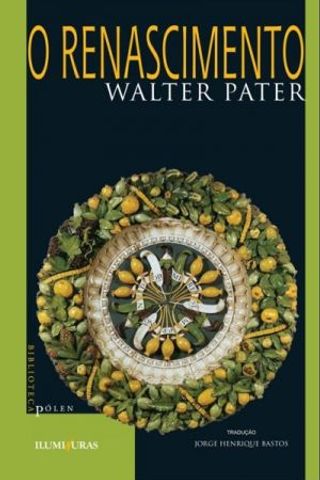
    O Renascimento (Biblioteca Pólen) -

    Walter Pater

    Iluminuras
    2014
    212 páginas
    7h 4m
    ISBN-13: 9788573213812
    Português Brasileiro
    3
    1 avaliação
    Leram1Lendo0Querem3Relendo0Abandonos0Resenhas0
    Favoritos0Desejados3Avaliaram1

    Todas as artes aspiram à condição de música: eis um raro aforismo de Walter Pater neste livro. Pater, leitor de filósofos, habitado por um profundo amor a Platão, não foi um homem de sistemas. O jovem inglês aspirante a pastor anglicano perdeu a fé na religião para converter-se inteiramente à arte, às forças espirituais da cultura. Comprometeu a carreira universitária em Oxford pela pouca ortodoxia de suas convicções. Produziu uma obra, porém, que atingiu com força o pensamento e sensibilidade de seu tempo. Pensamento e sensibilidade: é preciso entender esses dois termos unidos num único amálgama intelectual. O Renascimento é, em primeiro lugar, uma lição de sentir com pensamento, ou de pensar com sentimento. De associar o que está fora e o que está dentro: “Tal melodia ou tal quadro, tal personalidade cativante que aparece na vida real ou num livro, o que eles são para mim? Proporcionam-me prazer? Como minha natureza é modificada pela presença ou natureza deles?” Estas frases poderiam ter sido escritas por Proust, exprimindo a prática íntima da percepção e da introspecção. Além de nos ensinar a sentir e compreender as obras, Pater traçou, neste livro, um dos melhores e mais belos caminhos para se chegar à arte do Renascimento. Com ele, descobrimos os grandes artistas de maneira, por assim dizer, “participante”. Que tenha sido escrito há muito tempo, não importa. Historicamente, Pater contribuiu de modo decisivo, para definir o Renascimento como nós o entendemos hoje, incorporando os artistas do século XIV, que eram antes percebidos como “primitivos”. Para o leitor de hoje, mais importante é o seu entrelaçar conhecimento, reflexão elevada e poesia heurística do estilo, requintado tradutor de sensações. Que nos leva a conhecer melhor o renascimento e a refinar nossa sensibilidade. Jorge Coli
    Edições (1)

    Ver mais
    • book cover

    Similares (3)

    Ver mais
    • book cover
    • book cover
    • book cover

    Estatísticas

    Avaliações

    3 / 1
    • 5 estrelas0%
    • 4 estrelas0%
    • 3 estrelas100%
    • 2 estrelas0%
    • 1 estrelas0%
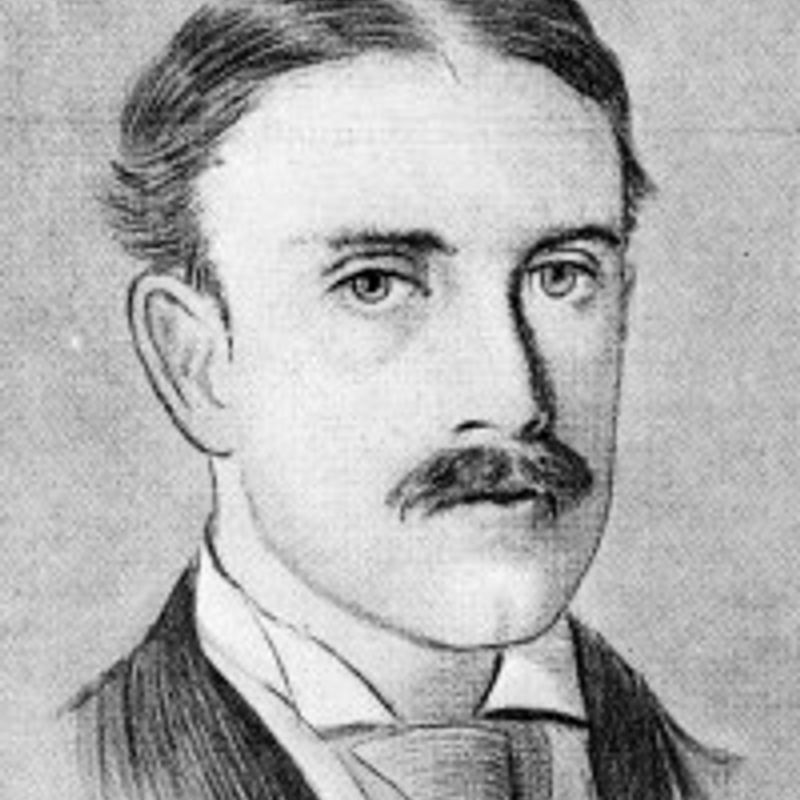
    Walter Horatio Pater profile picture

    Walter Horatio Pater

    English critic, essayist, and humanist whose advocacy of “art for art’s sake” Walter Pater became a cardinal doctrine of the movement known as Aestheticism. Pater was educated at King’s School, Canterbury, and at Queen’s College, Oxford, where he studied Greek philosophy under Benjamin Jowett. He then settled in Oxford and read with private pupils. In 1864 he was elected to a fellowship at Brasenose College. Pater’s early intention to enter the church gave way at this time to a consuming interest in classical studies. Pater then began to write for the reviews, and his essays on Leonardo da Vinci, Sandro Botticelli, Pico della Mirandola, Michelangelo, and others were collected in 1873 as Studies in the History of the Renaissance (later called simply The Renaissance). His delicate, fastidious style and sensitive appreciation of Renaissance art in these essays made his reputation as a scholar and an aesthete, and he became the centre of a small group of admirers in Oxford. In the concluding essay in The Renaissance, Pater asserted that art exists for the sake of its beauty alone, and that it acknowledges neither moral standards nor utilitarian functions in its reason for being. These views brought Pater into an association with Swinburne and with the Pre-Raphaelites. Marius the Epicurean (1885) is his most substantial work. It is a philosophical romance in which Pater’s ideal of an aesthetic and religious life is scrupulously and elaborately set forth. The setting is Rome in the time of Marcus Aurelius; but this is a thin disguise for the characteristically late-19th-century spiritual development of its main character. Imaginary Portraits (1887) are shorter pieces of philosophical fiction in the same mode. Appreciations (1889) is a return to the critical essay, this time largely on English subjects. In 1893 came Plato and Platonism, giving an extremely literary view of Plato and neglecting the logical and dialectical side of his philosophy. Pater’s Greek Studies (1895), Miscellaneous Studies (1895), and Essays from The Guardian (privately printed, 1896; 1901) were published posthumously; also published posthumously was his unfinished romance, Gaston de Latour (1896). The primary influence on Pater’s mind was his classical studies, coloured by a highly individual view of Christian devotion and pursued largely as a source of extremely refined artistic sensations. In his later critical writings Pater continued to focus on the innate qualities of works of art, in contrast to the prevailing tendency to evaluate them on the basis of their moral and educational value. Pater’s early influence was confined to a small circle in Oxford, but he came to have a widespread effect on the next literary generation. Oscar Wilde, George Moore, and the aesthetes of the 1890s were among his followers and show obvious and continual traces both of his style and of his ideas.

    3 Livros
    3 Seguidores

    Walter Horatio Pater