It's very rare that I come across a book that I consider invaluable, but Kapuscinski's slim valedictory volume is one such work. At its heart, the book -- a collection of speeches and articles published posthumously -- deals with the apparently incurable and universal human tendency to treat some of their fellow humans as less than human -- as "other". That tendency is what makes possible genocide, racism, discrimination, and many of the other intractable problems that loom ever-larger as the world becomes more globalized and we are forced to deal with groups we consider 'other' more frequently than ever before. Some of the questions associated with 'otherness' are at the core of global conflicts: how can we, for instance, reclaim our heritage and take pride in it without rejecting anyone who does not share that heritage as "other" and not deserving of respect? A real interest in travel -- as opposed to sightseeing -- and deep curiosity about the world are as rare today as in the days of Herodotus, millennia ago, Kapuscinski argues. Thankfully, he was not only a wonderful writer but an active and observant traveler, drawing on the observations of anthropologist Bronislaw Malinowski (who noted that whites who lived on the Trobriand Islands had a completely misleading understanding of the local islanders because they lived parallel lives that never overlapped; Malinowski lived in the center of a local village.) Kapuscinski's his analysis of his personal other -- someone non-white, with a strong national or tribal identity and a strong religious identity (what he replies when he is asked whether he believes in God, he writes "will have immense influence on everything that happens thereafter" in his relationship with his questioner) is particularly compelling. But he further still, pondering how that other perceives him -- because to that individual, Kapuscinski himself is the "other". For all the philosophical ruminations that are implied in the issues that Kapuscinski addresses, this book is written is such a simple, straightforward and powerful way that it is accessible to anyone. At its core, he argues, there is a broad human family to which we all belong. Increasingly, we are going to become aware of that reality, in response to mass migration and emigration into countries that have until now remained relatively isolated on an ethnic basis. He may be an idealist, of course. "We are entering... the Planet of Opportunity," he argues, a world in which history may not be destiny. In a cry from the heart, he concludes by arguing that only generosity of spirit is the right way to transform the "other" into the familiar -- and "touch a chord of humanity in him." This work is a sad reminder of what we have lost with the death of Ryszard Kapuscinski, a great humanist in the true meaning of that word. For those not familiar with his books, I'd urge you to accompany reading this work with his final opus, a quasi memoir, Travels with Herodotus (Vintage International) or one of his books about Africa, where many of the ideas in this book first took root, such as The Shadow of the Sun. S MacGee
Estatísticas
Avaliações
5 / 2- 5 estrelas100%
- 4 estrelas0%
- 3 estrelas0%
- 2 estrelas0%
- 1 estrelas0%
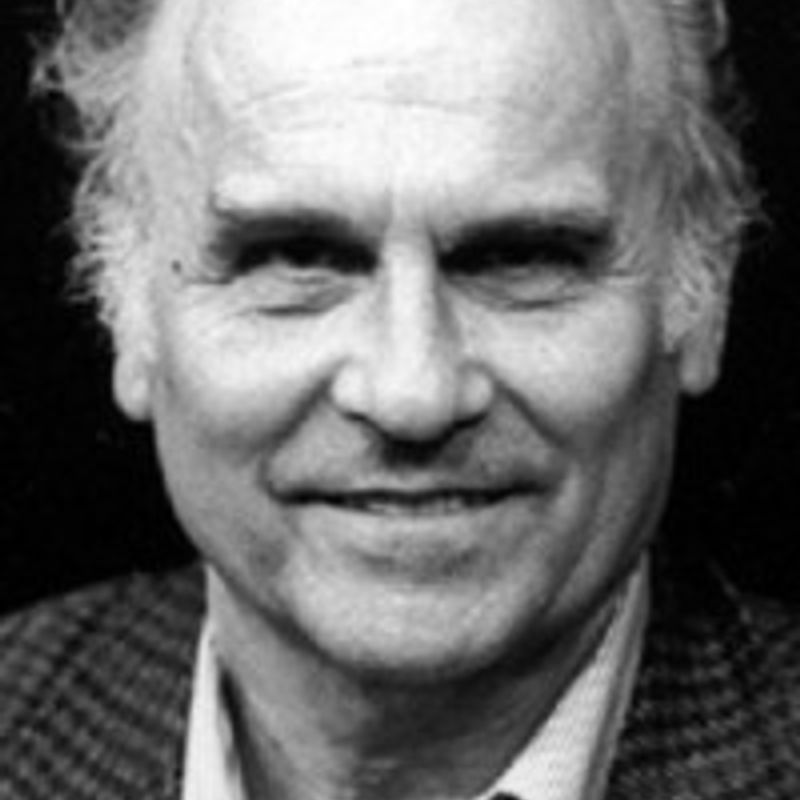
Ryszard Kapuscinski
Ryszard Kapscinski nasceu em Pinsk, uma cidade das Kresy Wschodnie, que à época era polaca e atualmente faz parte da Bielorrússia. Começou a sua carreira jornalística aos 17 anos na revista “Hoje e Amanhã”. Em 1964 foi apontado pela Polska Agencja Prasowa (PAP, onde trabalhou de 1958 a 1981) como seu único correspondente, e nos dez anos seguintes foi "responsável" por 50 países. Durante esse período viajou pelo mundo e fez a reportagem de guerras, golpes e revoluções na África, Ásia, Europa e Américas, incluindo a "Soccer War" (conflito de 6 dias entre as Honduras e El Salvador, em 1969). Fez amizade com Che Guevara na Bolívia, Salvador Allende no Chile e Patrice Lumumba no Congo. Ao longo da sua vida presenciou 27 revoluções e golpes, esteve em 12 frentes de guerra, e foi condenado ao fuzilamento por quatro vezes. No mundo anglófono, ele é mais conhecido pelas suas reportagens de África nas décadas de 1960 e 1970, quando testemunhou em primeira-mão o fim dos Impérios coloniais Europeus nesse continente. A partir do início da década de 1960, Kapuściński publicou livros de elevado valor literário, habilmente caracterizados por sofisticada narrativa técnica, retratos psicológicos das personagens, abundância de metáforas e outras figuras de estilo e imagens raras que servem como meios para interpretar a percepção do mundo. O livro mais conhecido de Kapuściński, " O Imperador", trata ele próprio do declínio do anacrónico regime etíope de Haile Selassie. "Xá dos Xás", sobre a queda de Mohammad Reza Pahlavi, o último Xá da Pérsia e "Imperium", sobre os últimos dias da União Soviética, gozaram de sucesso semelhante. Cansado da censura polaca, a partir da década de 1980, começou a colaborar com jornais e revistas internacionais, como The New York Times ou o Frankfurter Allgemeine Zeitung. Kapuściński tinha um fascínio tanto pelo exotismo das terras e das pessoas, como pelos livros: ele aproximava-se dos países estrangeiros, inicialmente, pela literatura, passando meses a ler antes de cada viagem. Ele sabia como ouvir as pessoas que ia conhecendo, mas também era capaz de captar o sentido dos cenários que encontrava: a forma como os Europeus saíam de Angola, a reconstrução dos frescos na nova Rússia, uma discussão relacionada com a pensão de alimentos no parlamento de Tanganica, tornando estes quadros em metáforas da transformação histórica. Esta tendência para tornar as aventuras pessoais numa fantástica síntese social fez de Kapuściński um eminente pensador e os volumes dessa persistente colectânea são um fascinante registo das observações de um repórter na reflexão filosófica do mundo e dos povos. Em 1999 foi eleito no seu país como o melhor jornalista do século XX. Em 2003 recebeu o Prémio Príncipe das Astúrias. Em 2004 foi galardoado na Áustria com o Prémio «Bruno Kreisky para livros políticos». Em 2005 foi doutorado “honoris causa” pela universidade catalã Ramón Llull. Embora tenha sido frequentemente mencionado para receber o Prémio Nobel da literatura nunca foi galardoado pela Academia Sueca. Em 2006, numa entrevista à Reuters, disse que escreveu para “pessoas de qualquer lugar ainda suficientemente jovens para estarem curiosas sobre o mundo” Passou os últimos anos da sua vida a viajar, participando em conferências e refletindo sobre o processo de globalização e as suas consequências para a civilização. Faleceu em Varsóvia, aos 74 anos, em consequência de doença grave. Desde a sua morte foram-lhe dedicados vários epitáfios, como: “O mestre do jornalismo moderno”, “Tradutor do mundo”, “O maior repórter do mundo” e “Heródoto dos nossos tempos”.
19 Livros
7 Seguidores