This volume commences by explaining the intentions of an intrinsically reformational philosophy. It is followed by a discussion of theological criticism of Dooyeweerd's philosophy (including the issue of a reformational Philosophy and the Reformed Confession) in order to unveil the point of contact between philosophy and the Christian religion and to oppose the standpoint of accommodation in theological scholastic philosophy. The Logos-theory and two diverging lines in Kuyper's thought are investigated, upon which the insights of his (transcendental) critique of knowledge is applied to an assessment of the whole Thomistic doctrine of an analogy of being (analogia entis) and of a natural theology (including Thomas Aquinas' `proofs' for the existence of God). After a brief discussion of the development of humanistic thought Dooyeweerd enters into an analysis of the basic structures of reality - amongst other things confronting the traditional Aristotelian-Thomistic concept of substance with his idea of the structural wholeness of individual things (as determined by their individuality-structures). The status of theological reflection, treated within the context of the tug of war between the faculties, concludes this volume.
Reformation and Scholasticism in Philosophy - Vol II
Herman Dooyeweerd
Paideia Press
2012
370 páginas
12h 20m
ISBN-10: 0773487387
Edições (1)
Ver mais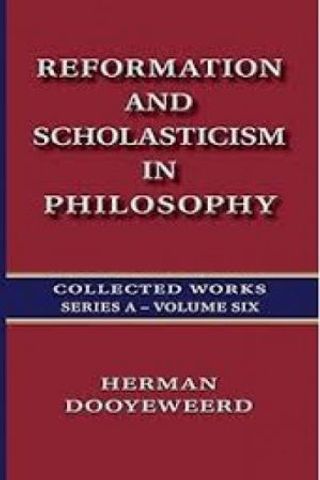
Estatísticas
Avaliações
0 / 0- 5 estrelas0%
- 4 estrelas0%
- 3 estrelas0%
- 2 estrelas0%
- 1 estrelas0%
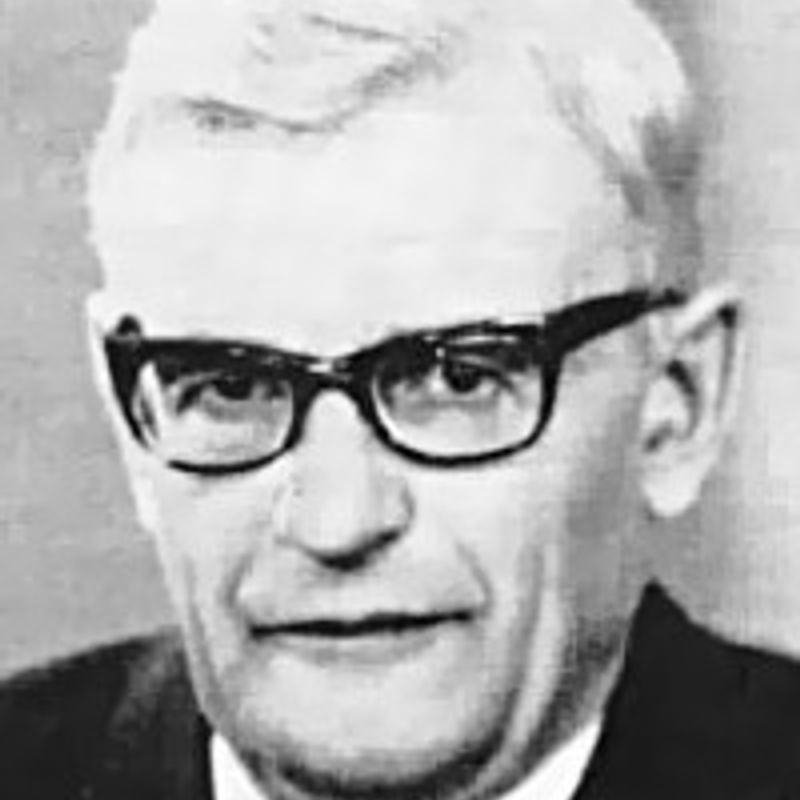
Herman Dooyeweerd
Foi um filósofo reformado holandês, fez significativas contribuições para a filosofia e para o pensamento teórico de modo geral. Dentre elas estão a discussão sobre diversidade e coerência em nossa experiência cotidiana da realidade, as condições transcendentais para o pensamento teórico, e a relação necessária entre religião e teoria. Esse conjunto de aspectos tem encontrado aplicação em análise prática, pesquisa e ensino em diversas áreas.
11 Livros
17 Seguidores
Amsterdã, Holanda