Entrar
    Book cover
    Compartilhar
    Editar
    • Sinopse
    • Edições2
    • Vídeos0
    • Grupos0
    • Resenhas3
    • Leitores22
    • Similares0
    Skoob logo

    Saiba mais

    Quem somosTermos de usoFale conoscoCentral de ajudaPrivacidade

    Fique por dentro

    Livros em destaque

    Explore

    LivrosAutoresEditorasLeitoresCortesias

    Siga nas redes sociais

    Baixe o app

    Google PlayApp Store

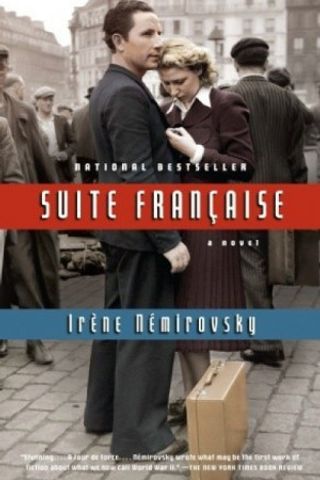
    Suite Française -

    Irène Némirovsky

    Vintage
    2007
    431 páginas
    14h 22m
    ISBN-10: 1400096278
    4.3
    9 avaliações
    Leram9Lendo2Querem11Relendo0Abandonos0Resenhas3
    Favoritos2Desejados11Avaliaram9

    By the early l940s, when Ukrainian-born Irène Némirovsky began working on what would become Suite Française—the first two parts of a planned five-part novel—she was already a highly successful writer living in Paris. But she was also a Jew, and in 1942 she was arrested and deported to Auschwitz: a month later she was dead at the age of thirty-nine. Two years earlier, living in a small village in central France—where she, her husband, and their two small daughters had fled in a vain attempt to elude the Nazis—she'd begun her novel, a luminous portrayal of a human drama in which she herself would become a victim. When she was arrested, she had completed two parts of the epic, the handwritten manuscripts of which were hidden in a suitcase that her daughters would take with them into hiding and eventually into freedom. Sixty-four years later, at long last, we can read Némirovsky's literary masterpiece The first part, "A Storm in June," opens in the chaos of the massive 1940 exodus from Paris on the eve of the Nazi invasion during which several families and individuals are thrown together under circumstances beyond their control. They share nothing but the harsh demands of survival—some trying to maintain lives of privilege, others struggling simply to preserve their lives—but soon, all together, they will be forced to face the awful exigencies of physical and emotional displacement, and the annihilation of the world they know. In the second part, "Dolce," we enter the increasingly complex life of a German-occupied provincial village. Coexisting uneasily with the soldiers billeted among them, the villagers—from aristocrats to shopkeepers to peasants—cope as best they can. Some choose resistance, others collaboration, and as their community is transformed by these acts, the lives of these these men and women reveal nothing less than the very essence of humanity. Suite Française is a singularly piercing evocation—at once subtle and severe, deeply compassionate and fiercely ironic—of life and death in occupied France, and a brilliant, profoundly moving work of art

    Edições (2)

    Ver mais
    • book cover
    • book cover
    Resenhas (3)Ver mais
    Raissa Pinto picture
    Raissa Pinto31/10/2017Resenhou um livro
    5 (Perfeito)

    A voz se cala, mas as palavras ressoam

    Queria poder expressar com justiça como este livro é bom. A escolha da foto de capa e a história de como este livro escapou da destruição em Auschwitz e chegou a ser publicado engradecem o seu valor. É delicado, é cru e não usa palavras desnecessárias buscando sensibilizar o leitor, o contexto histórico por si só o faz, não é necessário adornos. São duas histórias, Uma tempestade em Junho e Dolce, onde a autora foca nas emoções humanas, nas relações interpessoais, valorizando o humano e não a sua nacionalidade. Em Uma tempestade em junho, conhecemos vários núcleos familiares de Paris que são obrigados a abandonar sua casa, seu lar e seus bens devido a ocupação germânica. Durante o percurso da fuga, já não importa qual o sobrenome do personagem, qual a sua posição social e suas habilidades, o denominador que une todos é a sobrevivência e a forma como cada um vai lidar para conseguir atingi-la e qual o impacto do abandono em suas identidades e valores. Na segunda parte do livro, Dolce, foca no surgimento do amor entre uma francesa e um soldado alemão a partir do convívio, da gentileza e das diferenças. Irene não aprofunda no desenvolvimento romântico, o importante aqui é a construção do sentimento em si e como os variados rótulos que recebemos não nos definem completamente. Um livro que merece ter um lugar reservado em qualquer estante. " Sabemos muito bem que o ser humano é complexo, múltiplo, dividido, cheio de surpresas, mas é preciso o tempo da guerra ou grandes mudanças para sermos capazes ver. É o espetáculo mais apaixonante e terrível, o mais terrível por ser o mais verdadeiro; não podemos gabar-nos de conhecer o mar sem o ter visto tanto calmo quanto numa tempestade. Só quem observou homens e mulheres numa época como esta é que os conhece verdadeiramente. Só esse conhece a si próprio."

    4 curtidas

    Estatísticas

    Avaliações

    4.3 / 9
    • 5 estrelas44%
    • 4 estrelas33%
    • 3 estrelas22%
    • 2 estrelas0%
    • 1 estrelas0%