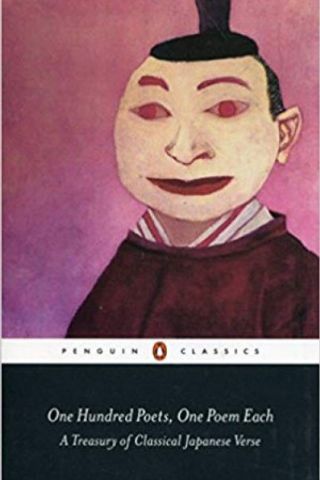
One Hundred Poets, One Poem Each - A Treasury of Classical Japanese Verse

    Peter MacMillan

    Penguin Classics
    2018
    257 páginas
    8h 34m
    ISBN-13: 9780141395937

    The Ogura Hyakunin Isshu is one of Japan's most quoted and illustrated works, as influential to the development of Japanese literary traditions as The Tale of Genji and The Tales of Ise. The text is an anthology of one hundred waka poems, each written by a different poet from the seventh to the middle of the thirteenth century, which is when Fujiwara no Teika, a renowned poet and scholar, assembled the collection. The book features poems by high-ranking court officials and members of the imperial family, and despite their similarity in composition, they involve a wide range of emotions, imagery, and themes, from frost settling on a bridge of magpie wings to the continuity of the imperial line. Peter McMillan's poetic translation captures the original emotions of these poems. They are accompanied by calligraphic versions in Japanese and line drawings depicting the individual poets, while explanatory notes place the poems in context. An appendix includes both the poems' Japanese and romanized versions, making this edition of the Ogura Hyakunin Isshu both a superior introduction to Japan and its special lyric tradition and an excellent textbook for the study of Japanese language and literature.

    Edições (1)

    Ver mais
    • book cover
    Resenhas (1)Ver mais
    Marcos Augusto picture
    Marcos Augusto24/03/2023Resenhou um livro
    4 (Muito bom)

    Uma antologia japonesa clássica de cem wakas japoneses por cem poetas, a versão mais famosa e padrão foi compilada por Fujiwara no Teika. Fujiwara, um dos maiores poetas de sua época e o teórico e crítico poético mais influente do Japão até os tempos modernos, era filho e herdeiro poético do talentoso e influente Shunzei (ou Toshinari, 1114–1204), compilador da sétima antologia imperial de Poesia japonesa, SenzaishÅ« (c. 1188; “Coleção de Mil Anos”). Teika esperava não apenas consolidar os ganhos poéticos de Shunzei e aumentá-los por mérito próprio, mas também aumentar a importância política de sua família. Ele não avançou politicamente, no entanto, até os 50 anos. Como figura literária, Teika foi um poeta extremamente talentoso e original. Seu ideal de yōen (“beleza etérea”) foi uma contribuição única para uma tradição poética que aceitou a inovação lentamente. Em seus poemas de beleza etérea, Teika empregou a linguagem tradicional de maneiras novas e surpreendentes, mostrando que o ideal prescritivo de “velha dicção, novo tratamento” herdado de Shunzei pode acomodar inovação e experimentação, bem como garantir a preservação da linguagem e dos estilos do passado clássico. Na poesia japonesa, waka é especificamente a poesia da corte do século 6 ao 14, incluindo formas como chōka e sedōka, em contraste com formas posteriores como renga, haikai e haiku. O termo waka também é usado, porém, como sinônimo de tanka (“poema curto”), que é a forma básica da poesia japonesa.

    3 curtidas

    Estatísticas

    Avaliações

    3 / 3
    • 5 estrelas0%
    • 4 estrelas67%
    • 3 estrelas0%
    • 2 estrelas0%
    • 1 estrelas33%