Entrar
    Book cover
    Compartilhar
    Editar
    • Sinopse
    • Edições2
    • Vídeos0
    • Grupos0
    • Resenhas1
    • Leitores110
    • Similares1
    Skoob logo

    Saiba mais

    Quem somosTermos de usoFale conoscoCentral de ajudaPrivacidade

    Fique por dentro

    Livros em destaque

    Explore

    LivrosAutoresEditorasLeitoresCortesias

    Siga nas redes sociais

    Baixe o app

    Google PlayApp Store

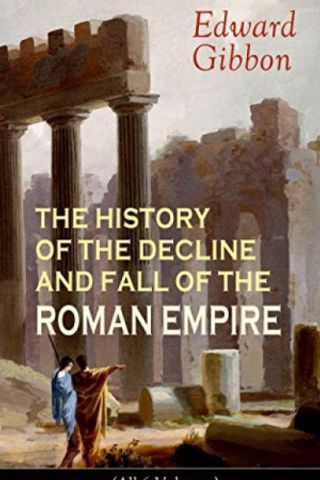
    The story of the decline and fall of the roman empire - Complete

    Edward Gibbon

    e-artnow
    2016
    3674 páginas
    5d 2h 28m
    ISBN-10: B01BU0P3CS
    3.4
    16 avaliações
    Leram28Lendo4Querem77Relendo0Abandonos1Resenhas1
    Favoritos0Desejados77Avaliaram16

    The History of the Decline and Fall of the Roman Empire is a book of history which traces the trajectory of Western civilization (as well as the Islamic and Mongolian conquests) from the height of the Roman Empire to the fall of Byzantium. The work covers the history of the Roman Empire, Europe, and the Catholic Church from 98 to 1590 and discusses the decline of the Roman Empire in the East and West: I. The first period may be traced from the age of Trajan and the Antonines, when the Roman monarchy, having attained its full strength and maturity, began to verge towards its decline; and will extend to the subversion of the Western Empire, by the barbarians of Germany and Scythia, the rude ancestors of the most polished nations of modern Europe. This extraordinary revolution, which subjected Rome to the power of a Gothic conqueror, was completed about the beginning of the sixth century. II. The second period commences with the reign of Justinian, who, by his laws, as well as by his victories, restored a transient splendor to the Eastern Empire. It will comprehend the invasion of Italy by the Lombards; the conquest of the Asiatic and African provinces by the Arabs, who embraced the religion of Mahomet; the revolt of the Roman people against the feeble princes of Constantinople; and the elevation of Charlemagne, who, in the year eight hundred, established the second, or German Empire of the West III. The last and longest period includes about six centuries and a half; from the revival of the Western Empire, till the taking of Constantinople by the Turks, and the extinction of a degenerate race of princes. Edward Gibbon (1737-1794) was an English historian and Member of Parliament.

    Edições (2)

    Ver mais
    • book cover
    • book cover

    Similares (1)

    Ver mais
    • book cover
    Resenhas (1)Ver mais
    João Paulo Bezerra de Menezes picture
    João Paulo Bezerra de Menezes15/02/2025Resenhou um livro
    0

    Roma tem muito a ensinar

    O segundo volume da História do Declínio do Império Romano abrange desde as perseguições aos cristãos até a batalha de Adrianópolis, entre o Imperador Valente e Fritigerno, líder dos bárbaros, e que marcou o início da derrocada de Roma, noventa e oito anos antes da queda da cidade eterna. A oba de gibbon é carregada de fatos e de considerações, e de constantes notas de rodapé que exploram os temas para além do fio da narrativa. Exemplo da meticulosa pesquisa feita pelo autor é a frustrada tratativa do Imperador Juliano de reconstruir o templo de Jerusalém, um agrado aos judeus movido pelo ódio aos cristãos. Este fato histórico foi atestado por Sto. Ambrósio na Epístola ao Imperador Teodósio, por S. João Crisóstomo, por Gregório Nazianzeno, todos fontes eclasiásticas, mas também pelo filósofo Ammianus Marcellinus, autor do relato fantástico transcrito a seguir: "Enquanto Alípio, auxiliado pelo governador da província, instava, com vigor e diligência, a execução da obra, horríveis bolas de fogo irrompiam perto das fundações, com ataques frequentes e reiterados, tornavam o local, de tempos em tempos, inacessível aos operários chamuscados e destruídos;" A História é, de fato, surpreendentemente cíclica. Se hoje a Europa quase inteira enfrenta as consequências de uma imigração descontrolada, Gibbon, ainda no século XVIII, depois de atribuir o princípio da queda de Roma à imigração dos bárbaros, ilustra o desatino do imperador Valente em receber toda a população dos Godos em território romano com a observação de que nenhum estadista europeu jamais consideraria a propriedade ou os perigos de admitir ou de rejeitar uma multidão inumerável de estrangeiros, mesmo que premidos pelo desespero e pela fome, nos territórios de uma nação civilizada.

    7 curtidas

    Estatísticas

    Avaliações

    3.4 / 16
    • 5 estrelas44%
    • 4 estrelas13%
    • 3 estrelas6%
    • 2 estrelas19%
    • 1 estrelas19%