Does the pervasive influence of luck in life mean that people cannot be held responsible for their choices? Do people lack the control required to justify moral praise and blame? In his famous article "Moral Luck," philosopher Thomas Nagel casts doubt on our ordinary moral judgments of persons. He claims that we intuitively accept that moral responsibility requires control, yet we praise and blame people for their actions, the outcomes of those actions, and their characters--even though shaped by forces beyond their control, i.e., by luck. This is the "problem of moral luck." Philosopher Diana Hsieh argues that this attack on moral judgment rests on a faulty view of control, as well as other errors. By developing Aristotle's theory of moral responsibility, Hsieh explains the sources and limits of a person's responsibility for what he does, what he produces, and who he is. Ultimately, she shows that moral judgments are not undermined by luck. In addition, this book explores the nature of moral agency and free will, the purpose of moral judgment, causation in tort and criminal law, the process of character development, and more. Diana Hsieh received her Ph.D. in philosophy in 2009 from the University of Colorado at Boulder. She now focuses on the application of rational principles to the challenges of real life. Her radio show, Philosophy in Action Radio, can be heard via live stream or as a podcast. Past shows and other work can be found at PhilosophyInAction.com.
Responsibility & Luck - A Defense of Praise and Blame
Diana Hsieh
Philosophy in Action
2013
215 páginas
7h 10m
ISBN-10: B00FLLBWT6
Edições (1)
Ver mais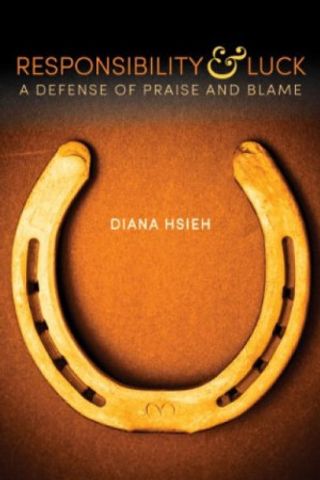
Estatísticas
Avaliações
0 / 0- 5 estrelas0%
- 4 estrelas0%
- 3 estrelas0%
- 2 estrelas0%
- 1 estrelas0%