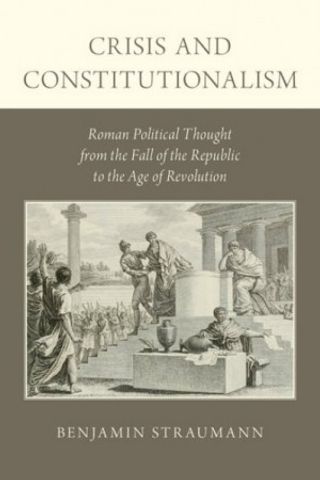
Pays attention to the highly juridical and legalized language used by the protagonists of the struggles of the late Republic. Seriously considers the constitutional nature of the arguments made by all sides of the struggles and civil wars accompanying the Republic's collapse. Offers a new perspective on the intellectual history of the late Roman Republic itself, and opens a gap between Roman and Greek political thought. Shows that "classical republicanism" is not a coherent concept and that the civil wars and crises of the late Roman Republic spawned a tradition of political thought, from Cicero to Bodin, Montesquieu and the American Founders, that saw constitutionalism, not virtue, as the remedy to the Republic's fate