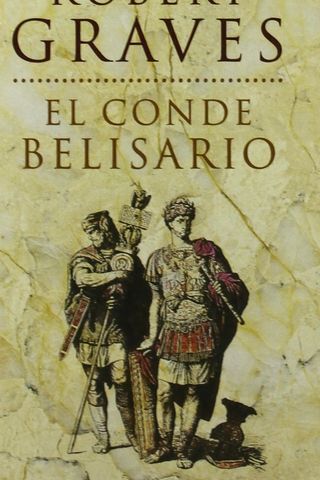
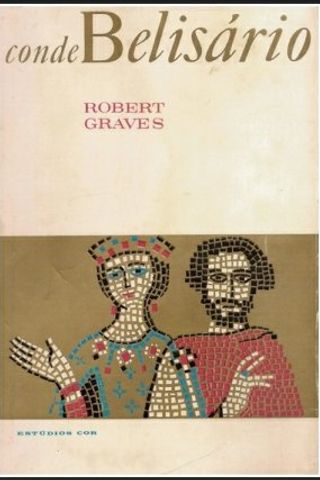
En el turbulento siglo VI, el Imperio Romano de Oriente, gobernado por el emperador Justiniano, se enfrenta al ataque de los bárbaros, a un enrarecido ambiente en palacio, a las luchas intestinas entre facciones rivales en las calles de Constantinopla, a violentas controversias teológicas que amenazan con disgregar el imperio... Sólo un hombre puede salvar la situación: el conde Belisario, ejemplo de nobleza y valor, cuyo nombre pronto aprenden a respetar y temer los bárbaros que se enfrentan a las tropas imperiales. [El Autor]: Robert Graves (1895-1985) es autor de una más que notable obra poética, de numerosos ensayos centrados en el mundo antiguo y mitológico (entre los que destaca La diosa blanca), de novelas tan divertidas como El sello de Antigua y de un buen número de traducciones al inglés que van desde Apuleyo, Lucano y Setonio a Ramón J. Sender. ==== Count Belisarius Edición by Robert Graves '-' This “vigorous tale” by the acclaimed author of I, Claudius captures the sixth century fall of the Byzantine Empire as seen through the eyes of a servant (Kirkus Reviews). Threatened by invaders on all sides, the Eastern Roman Empire of the sixth century fought to maintain its borders. Leading its defense was the Byzantine general Belisarius, a man who earned the grudging respect of his enemies, and who rose to become Emperor Justinian’s greatest military leader. Loosely based on Procopius’s History of the Justinian Wars and Secret History, this novel tells the Belisarius’s story through the eyes of Eugenius, a eunuch and servant to the general’s wife. It presents a compelling portrait of a man bound by a strict code of honor and unrelenting loyalty to an emperor who is intelligent but flawed, and whose decisions bring him to a tragic end. Eminent historical novelist and classicist Robert Graves presents a vivid account of a time in history both dissolute and violent, and demonstrates one again his mastery of this historical period. “A brilliant piece of scholarship.” —Kirkus Reviews “The scope of the book is massive—encompassing religious controversy and cultural developments as well as military history—yet, throughout, Graves succeeds in blending historical details with the development of his main characters.” —Historical Novel Society
El conde Belisario (Históricas Edhasa) - Count Belisarius
Robert Graves
[Barcelona] EDHASA / Editora y Distribuidora Hispano Americana, S.A.
2005
768 páginas
1d 1h 36m
ISBN-13: 9788435017305
Espanhol
Estatísticas
Avaliações
0 / 0- 5 estrelas0%
- 4 estrelas0%
- 3 estrelas0%
- 2 estrelas0%
- 1 estrelas0%
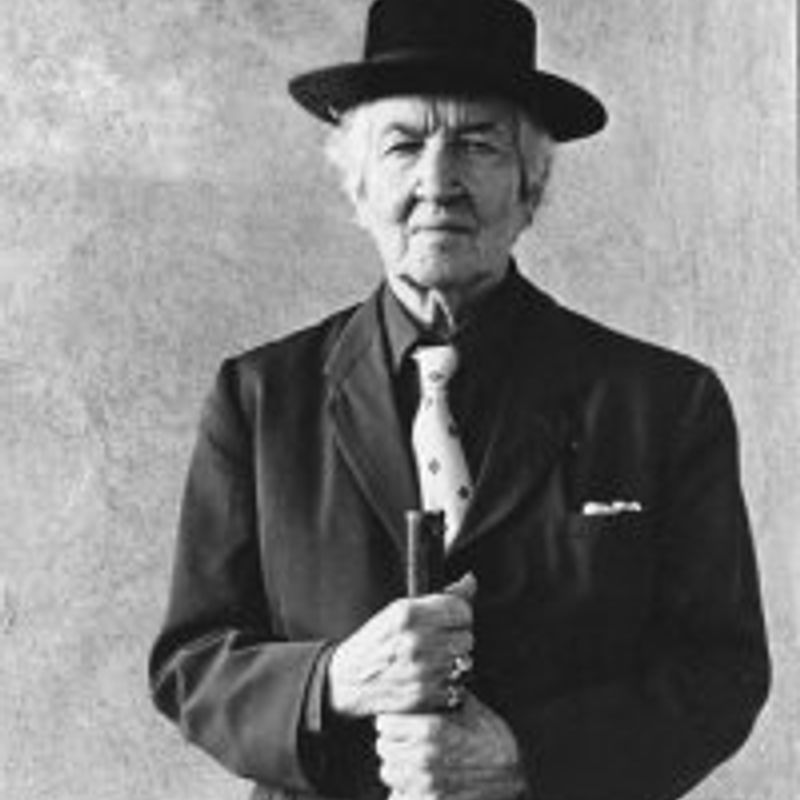
Robert Von Ranke Graves
Robert Von Ranke Graves foi poeta, romancista e crítico inglês. Nasceu em 26 de julho de 1895 em Londres, onde cursou o Colégio Chaterhouse. Combateu na França durante a Primeira Guerra Mundial, tendo sido ferido em 1916 na Batalha do Somme. Na mesma época, ainda em serviço ativo, estreou nas letras com dois volumes de poesias em 1916 e um em 1917. Depois do conflito prosseguiu seus estudos na Universidade de Oxford. Publicou em 1929 sua autobiografia "Goodbye to All That", que contituiu grande êxito nas vendas. De 1934 a 1936, viveu na Ilha de Maiorca, onde escreveu seus primeiros romances históricos, "Eu, Claudius, Imperador", que obteve os prêmios Hawthornden e James Tait Black, e "Claudius, o Deus, e Messalina" (1934), a que se seguiram, entre outros: "O Conde Belisário" (1938), "O Sargento Lamb" (1940), "A Esposa de Mr. Milton" (1948), "O Tosão de Ouro" (1944), "O Rei Jesus" (1948). Fonte: wikipédia
28 Livros
14 Seguidores