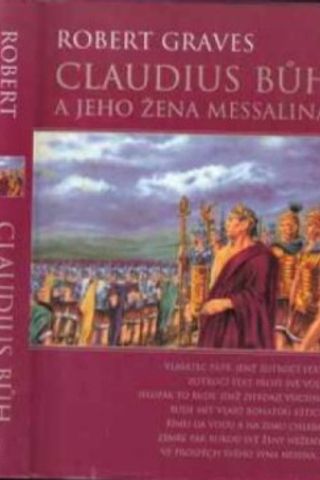
Ve druhé knize historického románu (první díl: Já, Claudius) přibližuje Robert Graves čtenářům neobyčejně zasvěceně i poutavě, s vtipem a ironií, formou fingované Claudiovy autobiografie jedno z nejzajímavějších údobí světových dějin. Vlasatec pátý, jenž zotročí stát, zotročí stát proti své vůli. Hlupák to bude, jímž zhrd ají všichni. Bude mít vlasů bohatou kštici. Římu dá vodu a na zimu chleba. Zemře pak rukou své ženy neženy ve prospěch svého syna nesyna… pravila prastará sibylská věštba, již pro její zlověstnost sice už císař Augustus nezařadil do oficiálních římských sbírek proroctví, jež se však přesto splnila. Pátý římský císař Claudius se stal vládcem z donucení, proti svému republikánskému přesvědčení. A tak se alespoň snažil panovat moudře a spravedlivě – samozřejmě v mezích dobového pojetí spravedlnosti – napravovat státní aparát, zkorumpovaný senát a soudnictví, vymycovat zlořády, dbát o veřejný blahobyt – a leccos se mu dařilo; jeho bystrost a důvtip se osvědčily i ve vojenské strategii, například při tažení proti Británii. Méně už se Claudiovi dařilo v osobním životě; nakonec ho zradili i ti, jimž nejvíc věřil: jeho dlouholetý přítel, židovský král Herodes Agrippa, a jeho nejmilovanější manželka, krásná Messalina. Zavražděním Claudia v roce 54 našeho letopočtu, jímž se uvolnil trůn pro nového císaře, Claudiova adoptivního syna Nerona, uzavírá Graves druhou knihu svého románu – fiktivního Claudiova vlastního životopisu. Continuing the saga begun in I, Claudius, Robert Graves's Claudius the God is a compelling fictional autobiography of the Roman emperor, published with an introduction by Barry Unsworth in Penguin Modern Classics. Claudius has survived the murderous intrigues of his predecessors to become, reluctantly, Emperor of Rome. Here he recounts his surprisingly successful reign: how he cultivates the loyalty of the army and the common people to repair the damage caused by Caligula; his relations with the Jewish King Herod Agrippa; and his invasion of Britain. But the growing paranoia of absolute power and the infidelity of his promiscuous young wife Messalina mean that his good fortune will not last forever. In this second part of Robert Graves's fictionalized autobiography, Claudius - wry, rueful, always inquisitive - brings to life some of the most scandalous and violent times in History. If you enjoyed Claudius the God, you might like Marguerite Yourcenar's Memoirs of Hadrian, also available in Penguin Modern Classics. 'I, Claudius and Claudius the God are an imaginative and hugely readable account of the early decades of the Roman Empire ... racy, inventive, often comic' ---Daily Telegraph. 'One of the really remarkable books of our day, a novel of learning and imagination, fortunately conceived and brilliantly executed' ---The New York Times. 'Graves made Roman history funny and familiar' ---Guardian.
Claudius bůh a jeho žena Messalina [česky / Czech Edition] (Claudius Series #Book 2) - Claudius the God : And His Wife Messalina
Robert Graves, Alena Jindrová-pilarová
BB art
1994
470 páginas
15h 40m
ISBN-10: 8090159591

Estatísticas
Avaliações
0 / 0- 5 estrelas0%
- 4 estrelas0%
- 3 estrelas0%
- 2 estrelas0%
- 1 estrelas0%