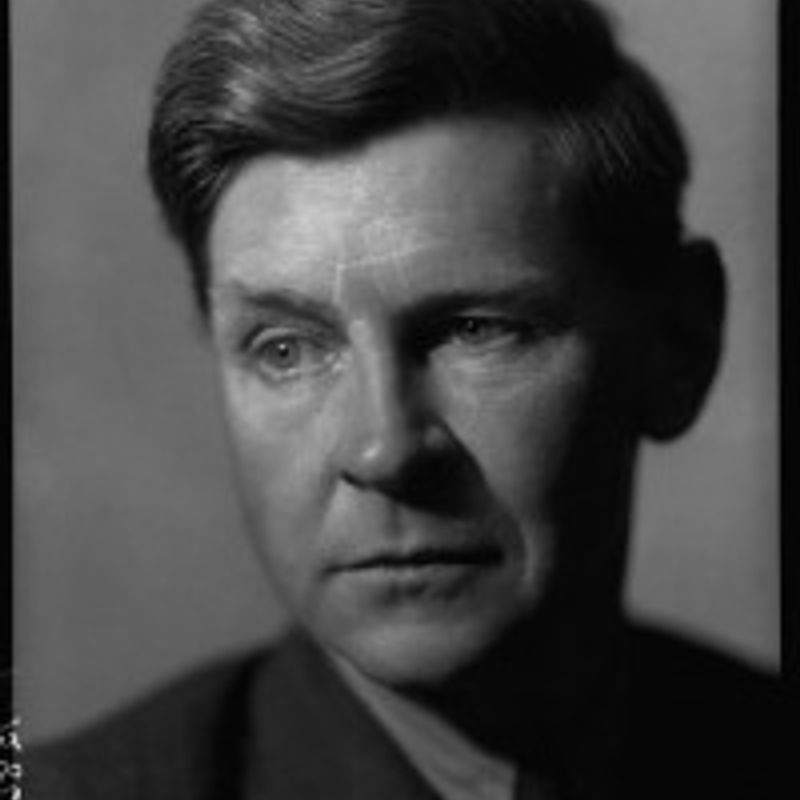
In "Last and First Men" the protagonist is "mankind" in an ultimate definition: human intelligence. Through the ages mankind evolves, rising on occasion to pinnacles of civilization, facing extinction at the next moment through inner weaknesses, surviving onslaughts from other planets, overcoming the waning of solar energy, developing new appearances, new senses, and new intellectual abilities. At times in the future (as with the Seventeenth Men who live on Neptune billions of years from now) mankind would not seem entirely human to us, but the common factors of descent and intelligence are there. From the present to five billion years in the future this romance of mankind extends, filled with the material for a hundred more conventional novels. "Star Maker" is in a sense a sequel to "Last and First Men". Concerned with the history of intelligence in the entire cosmos, it describes the many strange mankinds that have arisen: nautiloid water beings, symbiotic races of hyperspiders and hyperfish, composite group intelligences, and plantlike beings, among others. The narrator, a contemporary Earthman, eventually joins a community of cosmic explorers who range among the multiple intelligences of past and future, to the farthest reaches of the cosmos, seeking for traces of Intelligence itself. Stars are born and die; forms of life emerge, mature, manipulate their environments in quasar-like experiments, and perish; and eventually the Supreme Moment is reached.
Last and First Men and Starmaker - 2 science-fiction novels
Olaf Stapledon
Dover
1968
439 páginas
14h 38m
ISBN-10: 0486219623
Estatísticas
Avaliações
5 / 1- 5 estrelas100%
- 4 estrelas0%
- 3 estrelas0%
- 2 estrelas0%
- 1 estrelas0%