"While she was in the warehouse S. feared uncertainty. Any kind of certainty seemed preferable to her. Now she was at least rid of that fear. There was no more uncertainty. She was in a storehouse of women, in a room where female bodies were stored for the use of men." The use of rape as a mode of warfare was one of the atrocities that made "ethnic cleansing" such a horrifying euphemism in the '90s. The number of Muslim rape victims has been hard to establish (estimates are as high as 60,000), and the depths of the damage even more difficult to comprehend. Hidden behind the newspaper accounts--the mind-numbing policy changes, drawn and redrawn borders, and fluctuating statistics--are the stories of what happened to thousands of Muslim women and how they have since dealt with their experience. In S: A Novel About the Balkans, the journalist Slavenka Drakulic uses a fictional everywoman, S., to convey the complex psychological torture of the victims of large-scale, systematic rape during the Bosnian War. Drakulic's plain, graphic prose is starkly effective; not surprisingly, her book is most powerful in the passages detailing the women's treatment by the cadres of Serbian soldiers. But S. is not just a passive victim: even in such conditions, there are moral choices that must be made and consequences to one's actions. S. discovers this through her "arrangement" with the camp commander, who chooses her for a more elaborate form of rape that involves candlelight dinners and her playing the role of a seductress. Submitting to the fantasy in order to remove herself from the gang rapes of the "women's room," S. refrains from using her new status to improve the lot of the other prisoners. The tradeoff risks the respect of her fellow victims ("You've sold yourself cheap," one of them says to her), and the future psychological cost isn't clear. When she discovers she is pregnant--the father could be any one of a hundred soldiers--she faces another set of difficult decisions. Should she bring a child born of such hate into the world? And should she tell the child about its origins? Or is she instead obliged to tell the truth about the war? "Which is the greater," she wonders, "the right to a father or the right to the truth." Though not overtly political, S. forces us to consider the long-term tragedy of the female victims of the Bosnian War, and is all the more valuable for its inclusion of these gray-area compromises and their painful aftereffects.
As If I Am Not There - (Kao da me nema)
Slavenka Drakulic
Abacus
1999
216 páginas
7h 12m
ISBN-13: 9780349112626
Estatísticas
Avaliações
4 / 1- 5 estrelas0%
- 4 estrelas100%
- 3 estrelas0%
- 2 estrelas0%
- 1 estrelas0%
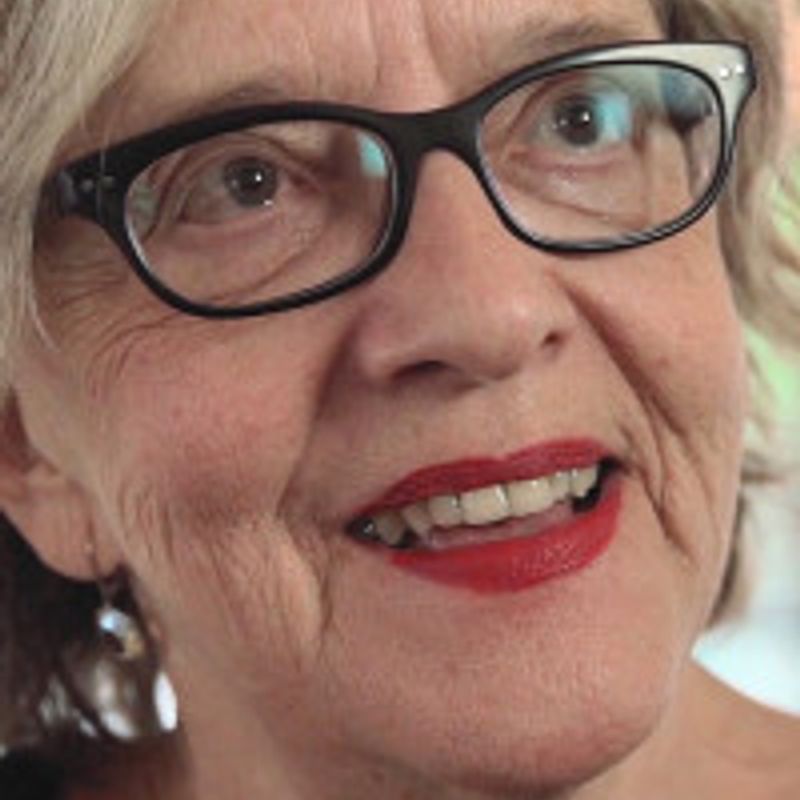
Slavenka Drakulic
Slavenka Drakulic é uma escritora e jornalista croata nascida em 1949. Em 1976, completou sua graduação em sociologia na Universidade de Zagreb. No inicío dos anos 90, após receber ameaças por conta de seus trabalhos e opiniões políticas, mudou-se para a Suécia.
8 Livros
0 Seguidor