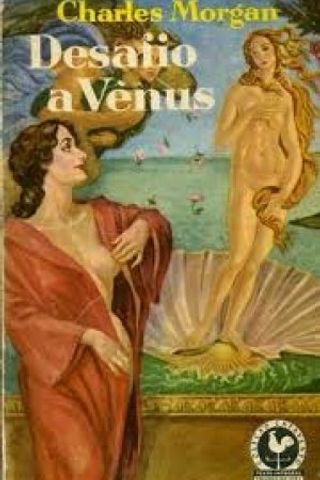
Challenge to Venus has its settings in the ancient hill-town of Varenna in Italy in 1957 when the book was first published. Against the background of a closely knit Italian society, into which Fiammeta Alerani was born, it tells the story of her encounter with a visiting Englishman; of their conflict of temperament, tradition and upbringing; of their surrender to each other, and of the diverging loves which are the result of that experience. Fiammeta, like Psyche who was called a rival of Venus, has extreme beauty. In spite of the heat of her blood, it is in her proud nature to believe that she is the mistress of her own impulse and exempt from the consequences of human frailty, as a goddess might be. The Englishman has a different pride -the pride of being 'ordinary', of never allowing himself to 'go in off the deep end', and of supposing that by this means he can make life conform to design. With unstressed irony, the lovers are presented neither as hero and heroine to be actually uncritically admired nor as fools to be despised, but as normal creatures who fall in the ambush of the senses. Their story carries a step further, in the form of tragic-comedy, one of the author's basic themes - that fate implacably drives man and woman to self knowledge and the acceptance of their limitations. In the province of love as in the province of power, that form of pride which the Greeks called hubris draws down retribution upon itself. No one is exempt. No one is permitted to rival the gods. From the original edition, Macmillan & Co LTD, UK, 1957 ==== MORGAN, CHARLES LANGBRIDGE (1894-1958), drama critic, novelist, playwright. He was trained in the Royal Navy but resigned in 1913 to lead a literary life, though he returned to serve in the navy during both World Wars. He entered Brasenose College, Oxford and joined the staff of The Times, becoming its principal drama critic, (1926-39). Contributed weekly articles on the London theatre to the New York Times. He received many honorary degrees; was elected president of the English Association, 1953-54, and of the International Literary Congress for Authors, 1954-56. He produced a continuous sequence of literary masterpieces. His novels and plays were particularly artistic, of profound significance, and of great and varied narrative power. Portrait in a Mirror (1929) was awarded the Femina-Vie Heureuse prize; The Fountain (1932) the Hawthornden prize; and The Voyage (1940) the James Tait Black memorial book prize. A dramatised version of The River Line (1949) was produced at the Edinburgh Festival in 1952. His final two novels, A Breeze of Morning (1951), about an adult love affair witnessed by a young boy and Challenge to Venus (1957), some of the themes of The Fountain are now published again under the Rediscovered Books series of Jorge Pinto Books, Inc. [About the Author] Charles Morgan (1894-1958) is an English-born novelist and playwright of English and Welsh descent. His many novels include The Fountain (1932) and Sparkenbroke (1936).
Desafio a Vênus (Coleção Catavento #8) -
Charles Morgan
Globo, (RS)
1959
248 páginas
8h 16m
ISBN-1: 0
Português Brasileiro
Resenhas (1)Ver mais
Raquel F. G. Augustin16/03/2021Resenhou um livro
Ninguém me ama impunemente
1 curtida
Estatísticas
Avaliações
3.5 / 3- 5 estrelas33%
- 4 estrelas0%
- 3 estrelas67%
- 2 estrelas0%
- 1 estrelas0%
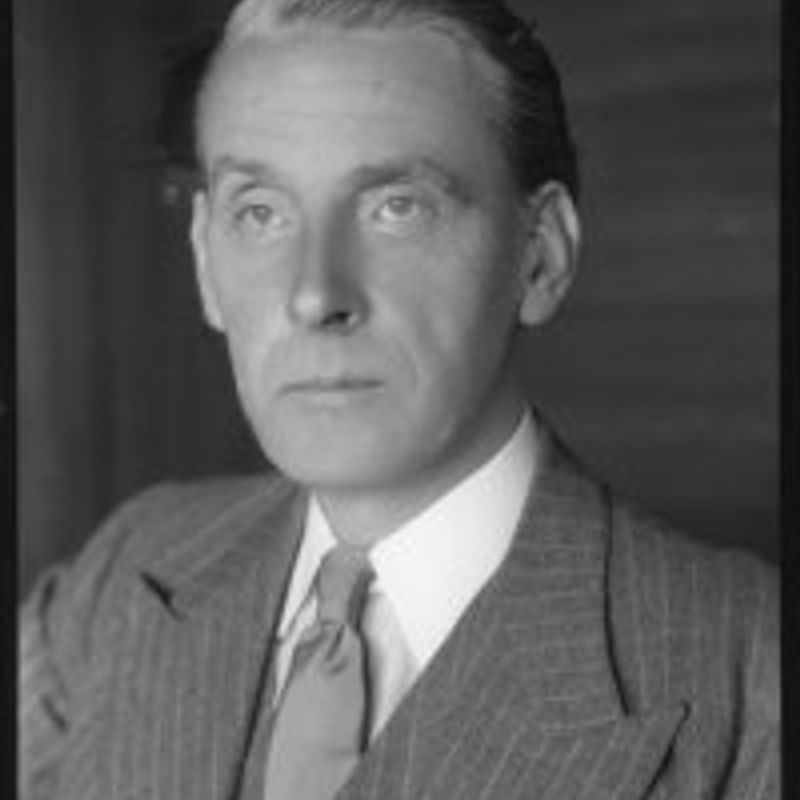
Charles Langbridge Morgan
Foi um dramaturgo Inglês-nascido e romancista Inglês e ascendência galesa. Os principais temas de sua obra foram, como ele mesmo disse, "Arte, Amor e Morte",e da relação entre eles. Morgan durante toda a sua vida foi um defensor firme da liberdade humana e o direito dos artistas a trabalhar totalmente livre de restrições políticas. Seu "medo do pensamento em massa e da violação contemporânea do pensamento individual" tinha sido evidente em "The Judge's Story". Ele publicou um magnífico livro de ensaios, "Liberties of the mind" (1951), que continua a ser um dos melhores julgamentos sobre o autoritarismo e o totalitarismo já compostos. Um resumo de suas obras pode ser encontrado aqui: http://www.alor.org/Heritage.htm
11 Livros
6 Seguidores
Kent, Inglaterra