Talk about great timing. Rothbard's extraordinary book unravels the mystery of banking: what is legitimate enterprise and what is a government-backed shell game that can't last. His explanation is clear enough for anyone to follow and yet precise and rigorous enough to be the best textbook for college classes on the topic. This is because its expositional clarity--in its history and theory--is essentially unrivaled. Most notably, he uses the T-account method of explaining the relationship between deposits and loans, showing the inherent instability of fractional-reserve banking and how it sets the stage for centralization, inflation, and the boom-bust cycle. But there is more. This book provides an explanation of money's origins and its meaning in the free market. The abstract theory is here, but always with real application to history and modern banking practice. Never does a paragraph go by without an example drawn from his massive knowledge of the subject. Even further, he explains the integration between microeconomics and the business cycle. As Douglas French writes in the introduction: "Although first published 25 years ago, Murray Rothbard’s The Mystery of Banking continues to be the only book that clearly and concisely explains the modern fractional reserve banking system, its origins, and its devastating effects on the lives of every man, woman, and child. It is especially appropriate in a year that will see a surge in bank failures, central banks around the globe bailing out failed commercial and investment banks, double-digit inflation rates in many parts of the world and hyperinflation completely destroying Zimbabwe’s economy, that a new edition of Rothbard’s classic work be republished and made available through the efforts of Lew Rockwell and the staff at the Ludwig von Mises Institute. Priced affordably for students and laymen interested in the vagaries of banking and how inflation and business cycles are created." Further, Joseph Salerno explains in the foreword: "The Mystery of Banking is perhaps the least appreciated work among Murray Rothbard’s prodigious body of output. This is a shame because it is a model of how to apply sound economic theory, dispassionately and objectively, to the origins and development of real-world institutions and to assess their consequences. It is “institutional economics” at its best. In this book, the institution under scrutiny is central banking as historically embodied in the Federal Reserve System—the “Fed” for short—the central bank of the United States. "Rothbard’s presentation of the basic principles of money-and-banking theory in the first eleven chapters of the book guides the reader in unraveling the mystery of how the central bank operates to create money through the fractional-reserve banking system and how this leads to inflation of the money supply and a rise in overall prices in the economy. But he does not stop there. In the subsequent five chapters he resolves the historical mystery of how an inherently inflationary institution like central banking, which is destructive of the value of money, and in the extreme case of hyperinflation, of money itself, came into being and was accepted as essential to the operation of the market economy." Incredibly, both authors correctly anticipate the current crisis -- and Rothbard explains it all and shows the way out. This is certainly the book for today, more essential than ever before.
The Mystery Of Banking -
Murray N. Rothbard
Ludvig von Mises Institute
2008
323 páginas
10h 46m
ISBN-13: 9781933550282
Estatísticas
Avaliações
5 / 2- 5 estrelas100%
- 4 estrelas0%
- 3 estrelas0%
- 2 estrelas0%
- 1 estrelas0%
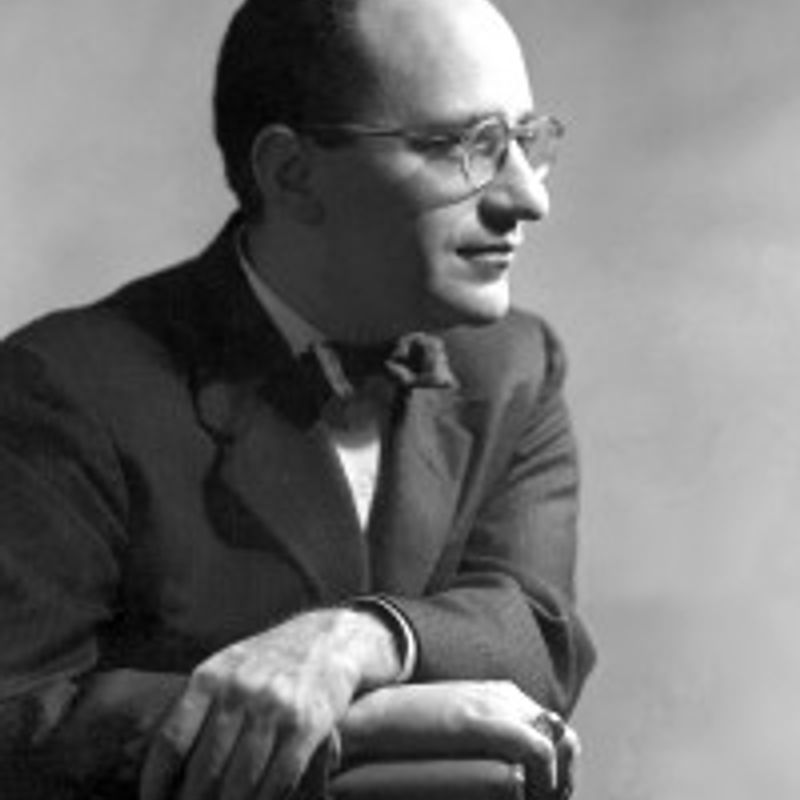
Murray Newton Rothbard
Foi um americano autor e economista da Escola Austríaca, que ajudou a definir o pensamento capitalista do libertarianismo e popularizou uma forma de livre-mercado num sistema de anarquismo ele chamou de "anarco-capitalismo". Rothbard escreveu mais de vinte livros e é considerado uma figura central importante no movimento libertário americano. Na construção do conceito da Escola Austríaca de ordem espontânea, ele apóia um mercado livre na produção de dinheiro e faz uma extensa condenação ao planejamento central, Rothbard defendia a abolição do coercitivo controle do governo sobre a sociedade e a economia. Ele considerou o monopólio da força do governo o maior perigo à liberdade e à longo prazo danoso para o bem-estar da população, a rotulagem do Estado, como nada mais do que uma "gangue de ladrões em larga escala", o locus dos mais imorais, sanguessuga e covil de indivíduos sem escrúpulos em qualquer sociedade. Rothbard concluiu que todos os serviços prestados pelo monopólio dos governos poderiam ser fornecidos de forma mais eficiente pelo setor privado. Ele previu e definiu os muitos regulamentos e leis promulgadas ostensivamente para o "interesse público", como ação de auto-interesse e manutenção do poder por parte dos burocratas do governo tramando perigosamente engajar-se em livre auto-engrandecimento, pois eles não estavam sujeitos à disciplina de mercado . Rothbard considerou que sempre há ineficiência em tudo envolvido com os serviços de governo e afirmou que as disciplinas de mercado iriam eliminá-los se os serviços pudessem ser fornecidos pela concorrência no setor privado. Rothbard igualmente condenou o corporativismo de Estado. Criticou muitos casos em que as elites empresariais cooptando poder de monopólios do governo de modo a influenciar leis e políticas regulatórias de forma a beneficiando-los à custa de seus rivais competitivos. Ele argumentou que a tributação representa roubo coercitivo em grande escala, e "obrigatório monopólio da força ", que proíbe a contratação mais eficiente e voluntária de defesa e serviços judiciais de fornecedores concorrentes. Ele também considerou os bancos centrais e bancos de reservas fracionárias em regime de monopólio, sistema de dinheiro fiduciário uma forma de estado-patrocinado, fraude financeira legalizada, uma antítese ao pensamento libertário e os princípios de ética. Rothbard se opõe as influências militares, políticas e intervencionismo econômico nos assuntos das outras nações.
37 Livros
93 Seguidores
Nova York, Estados Unidos