The Book of the City of Ladies -

    Christine de Pizan

    Penguin Classics
    1999
    240 páginas
    8h 0m
    ISBN-13: 9780140446890

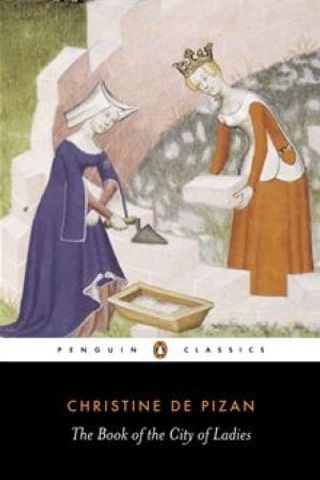
    Christine de Pizan (c.1364-1430) was France's first professional woman of letters. Her pioneering Book of the City of Ladies begins when, feeling frustrated and miserable after reading a male writer's tirade against women, Christine has a dreamlike vision where three virtues - Reason, Rectitude and Justice - appear to correct this view. They instruct her to build an allegorical city in which womankind can be defended against slander, its walls and towers constructed from examples of female achievement both from her own day and the past: ranging from warriors, inventors and scholars to prophetesses, artists and saints. Christine de Pizan's spirited defence of her sex was unique for its direct confrontation of the misogyny of her day, and offers a telling insight into the position of women in medieval culture. THE CITY OF LADIES provides positive images of women, ranging from warriors and inventors, scholars to prophetesses, and artists to saints. The book also offers a fascinating insight into the debates and controversies about the position of women in medieval culture.

    Edições (1)

    Ver mais
    • book cover
    Resenhas (1)Ver mais
    Marcos Augusto picture
    Marcos Augusto05/04/2023Resenhou um livro
    4 (Muito bom)

    O Romance da Rosa é um poema francês do século XIII escrito por dois autores, Guillaume de Lorris, que iniciou o poema como uma alegoria onírica do cortejo de uma donzela, simbolizada por um botão de rosa, dentro dos limites de um jardim, representando a sociedade. Como nenhuma conclusão satisfatória fora escrita, Jean de Meun aproveitou a trama de Guillaume. É contra a sedução da donzela, pelo uso da malandragem, tal como conceituada por Jean de Meun, que Christine de Pizan, percebendo a misoginia no texto decide escrever O Livro da Cidade das Damas, sentindo que a honra da natureza feminina havia sido ferida, este texto defende a mulher ao reunir alegoricamente mulheres famosas da história, reais e imaginárias (mitológicas), como os próprios blocos de construção da cidade. Essas mulheres atestam, segundo a autora, a validade da participação feminina na sociedade, elencando suas contribuições para a comunidade. No texto, dividido em três partes, de Pizan invoca três musas (versões medievais das musas da mitologia grega antiga), Senhora Razão, Senhora Retidão, Senhora Justiça. Cada musa em cada parte do livro contesta as "afirmações perversas" feitas sobre as mulheres, listando mulheres que representam virtudes que estão sendo atacadas.

    4 curtidas

    Estatísticas

    Avaliações

    3.8 / 5
    • 5 estrelas40%
    • 4 estrelas0%
    • 3 estrelas60%
    • 2 estrelas0%
    • 1 estrelas0%