The celebrated TRANSYLVANIAN TRILOGY by Count Miklós Bánffy is a stunning historical epic set in the lost world of the Hungarian aristocracy just before World War I. Written in the 1930s and first discovered by the English-speaking world after the fall of communism in Hungary, Bánffy’s novels were translated in the late 1990s to critical acclaim and now appear for the first time in hardcover. They Were Counted, the first novel in the trilogy, introduces us to a decadent, frivolous, and corrupt society unwittingly bent on its own destruction during the last years of the Austro-Hungarian Empire. Bánffy’s lush depiction of an opulent lost paradise focuses on two upper-class cousins who couldn’t be more different: Count Balint Abády, a liberal politician who compassionately defends his homeland’s downtrodden Romanian peasants, and his dissipated cousin László, whose life is a whirl of parties, balls, hunting, and gambling. They Were Counted launches a story that brims with intrigues, love affairs, duels, murder, comedy, and tragedy, set against the rugged and ravishing scenery of Transylvania. Along with the other two novels in the trilogy—They Were Found Wanting and They Were Divided—it combines a Proustian nostalgia for the past, insight into a collapsing empire reminiscent of the work of Joseph Roth, and the drama and epic sweep of Tolstoy. **Washington Post Best Books of 2013**
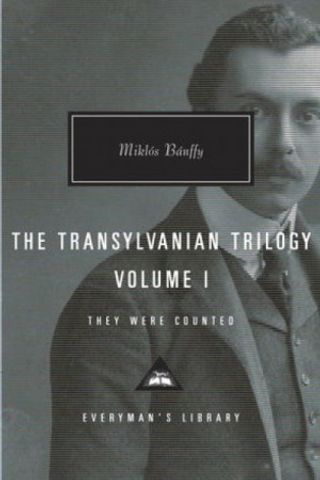
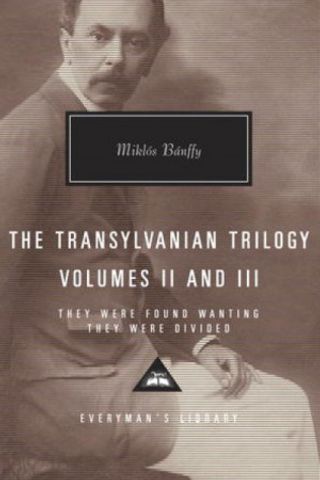
The Transylvanian Trilogy, Volume I - They Were Counted
Miklós Bánffy
Everyman's Library
2013
856 páginas
1d 4h 32m
ISBN-10: 0375712305
Estatísticas
Avaliações
5 / 1- 5 estrelas100%
- 4 estrelas0%
- 3 estrelas0%
- 2 estrelas0%
- 1 estrelas0%
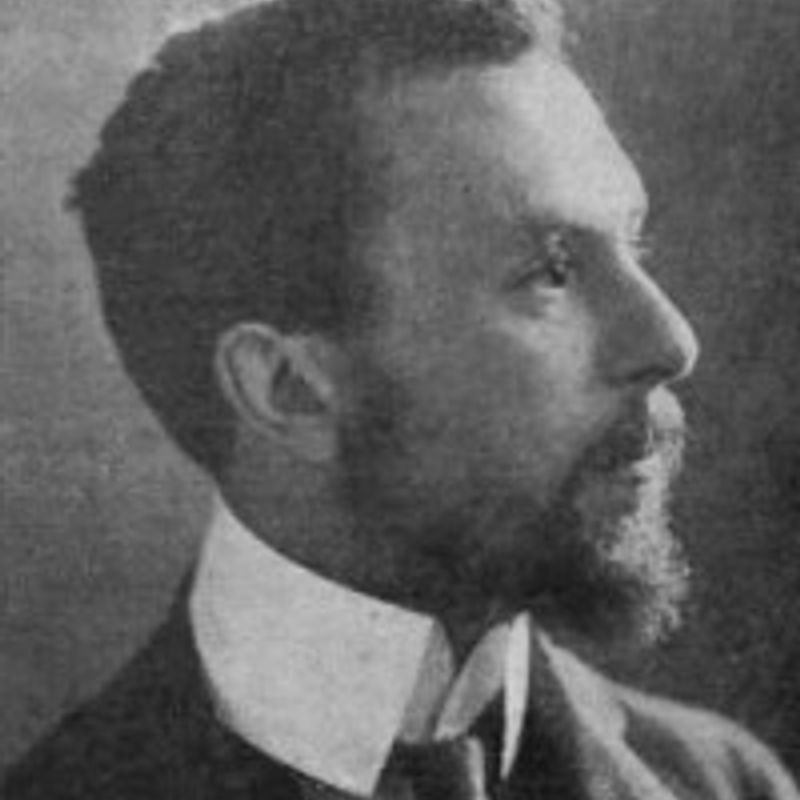
Count Miklós Bánffy de Losoncz
Miklós Bánffy (1873-1950) foi um nobre húngaro, político e romancista. Um polímata brilhante, ele estudou direito, música e pintura, tornou-se um notável palco e cenógrafo, escreveu peças, contos e romances e serviu como ministro das Relações Exteriores de seu país. Começando sua carreira política no momento em que a Hungria era um constituinte da Áustria-Hungria, Bánffy foi eleito membro do Parlamento em 1901 e tornou-se diretor dos teatros húngaros do Estado (1913-1918). Superando feroz oposição, sua intervenção tornou possível que os trabalhos de Béla Bartók tivessem sua primeira apresentação em Budapeste. Bánffy tornou-se ministro das Relações Exteriores da Hungria no governo de István Bethlen em 1921. Durante a Segunda Guerra Mundial, ele exortou tanto o seu próprio governo quanto o da Romênia a retirarem seu apoio à Alemanha: em vingança, a retirada da Wehrmacht saqueou e queimou sua propriedade. Após a ocupação soviética, ele foi declarado um “inimigo de classe” e teve que esperar até 1949 antes, sem um tostão e com a saúde debilitada, ser autorizado a se juntar à família em Budapeste. Ele morreu um ano depois. É mais conhecido pela <i>The Transylvanian Trilogy</i> (<i>A trilogia da Transilvânia</i> em tradução livre), constituída pelas obras <i>They Were Counted</i>, <i>They Were Found Wanting</i> e <i>They Were Divided</i>. Bánffy retratou a Hungria pré-guerra como uma nação em declínio, falhou por aristocracia míope. O regime comunista na Hungria permitiu a reedição de um conto da Transilvânia em 1982, e foi traduzido para o inglês pela primeira vez em 1999.
10 Livros
0 Seguidor