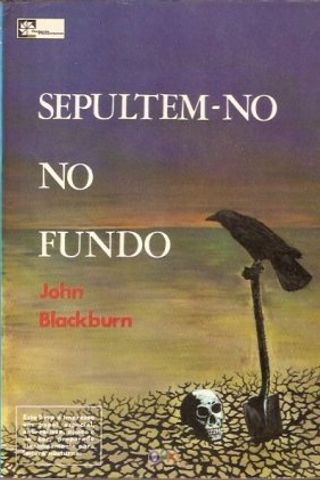
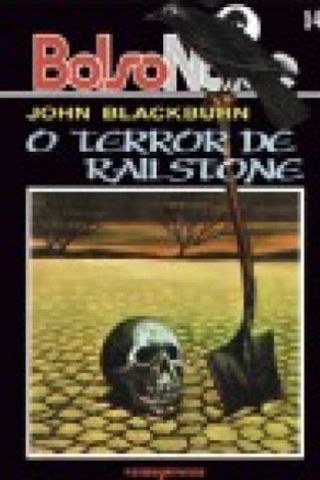
A vida e a morte de Sir Martin Railstone, poeta oitocentista, pintor, cientista, e libertino estão rodeadas de denso mistério. Terá Railstone sido um santo ou um demônio? Numa atmosfera orgíaca onde a ficção científica se mistura com o terror e a aventura, John Blackburn mantém o leitor continuamente no limiar do pânico. . . "Bury Him Darkly" (1969) – by John Blackburn: 'For two centuries, the body of Sir Martin Railstone, poet, artist, and libertine, has lain undisturbed in its crypt, amidst rumours that important artistic works of genius are buried with him. The Church of England has refused to allow the opening of the tomb, believing that Railstone was a murderer and dabbler in the black arts and that anything buried with him must be diabolical in nature. But now plans are in the works for a dam, which will leave Railstone's tomb under 100 feet of water, and a small group of fanatics obsessed with Railstone will stop at nothing to discover the crypt's contents before they are lost forever. One of them, George Banks, opens the tomb and releases something ancient and evil. He dies a horrible death, raving mad, and whatever he has unleashed is not done killing. Four unlikely allies - a clergyman, an ex-Nazi scientist, a journalist, and a historian - must come together and find a way to stop it before it destroys all of humanity. . . . [About the Author] John Blackburn (1923-1993) was the author of more than thirty popular thrillers in which he blended the genres of mystery, horror, and science fiction in unique and often brilliant ways. Although recognized as the best British horror writer of his time, he has been sadly neglected since his death... John Blackburn was born in 1923 in the village of Corbridge, England, the second son of a clergyman. Blackburn attended Haileybury College near London beginning in 1937, but his education was interrupted by the onset of World War II; the shadow of the war, and that of Nazi Germany, would later play a role in many of his works. He served as a radio officer during the war in the Mercantile Marine from 1942 to 1945, and resumed his education afterwards at Durham University, earning his bachelor's degree in 1949. Blackburn taught for several years after that, first in London and then in Berlin, and married Joan Mary Clift in 1950. Returning to London in 1952, he took over the management of Red Lion Books. It was there that Blackburn began writing, and the immediate success in 1958 of his first novel, 'A Scent of New-Mown Hay', led him to take up a career as a writer full time. He and his wife also maintained an antiquarian bookstore, a secondary career that would inform some of Blackburn's work, including the bibliomystery Blue Octavo (1963). A Scent of New-Mown Hay typified the approach that would come to characterize Blackburn's twenty-eight novels, which defied easy categorization in their unique and compelling mixture of the genres of science fiction, horror, mystery, and thriller. Many of Blackburn's best novels came in the late 1960s and early 1970s, with a string of successes that included the classics A Ring of Roses (1965), Children of the Night (1966), Nothing but the Night (1968; adapted for a 1973 film starring Christopher Lee and Peter Cushing), Devil Daddy (1972) and Our Lady of Pain (1974). Somewhat unusually for a popular horror writer, Blackburn's novels were not only successful with the reading public but also won widespread critical acclaim: the Times Literary Supplement declared him 'today's master of horror' and compared him with the Grimm Brothers, while the Penguin Encyclopedia of Horror and the Supernatural regarded him as 'certainly the best British novelist in his field' and the St James Guide to Crime & Mystery Writers called him 'one of England's best practicing novelists in the tradition of the thriller novel '.'
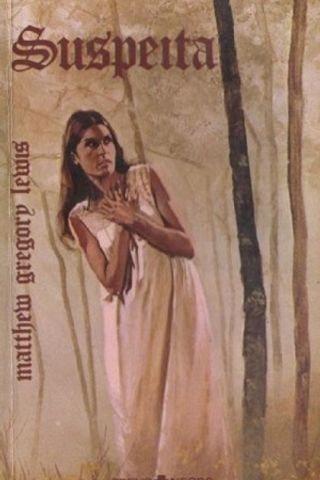
Sepultem-no no fundo (Gótico #4) - Bury Him Darkly
John Blackburn
[Alfragide] Galeria Panorama
1969
240 páginas
8h 0m
ISBN-10: 193914017X
Português


Estatísticas
Avaliações
4 / 1- 5 estrelas0%
- 4 estrelas100%
- 3 estrelas0%
- 2 estrelas0%
- 1 estrelas0%
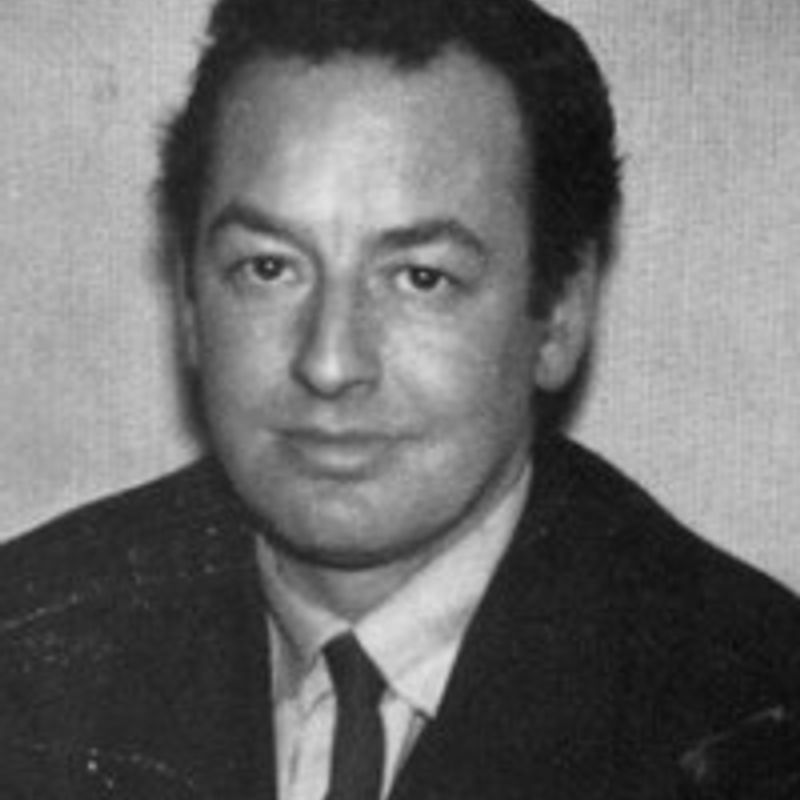
John Blackburn
John Blackburn nasceu em 1923 na aldeia de Corbridge, Inglaterra, o segundo filho de um clérigo. Blackburn frequentou o Haileybury College perto de Londres no início de 1937, mas sua educação foi interrompida pelo início da Segunda Guerra Mundial; a sombra da guerra e da Alemanha nazista, mais tarde desempenharia um papel em muitas de suas obras. Ele serviu como oficial de rádio durante a guerra na Marinha Mercante de 1942 a 1945 e retomou seus estudos posteriormente na Durham University, obtendo seu diploma de bacharel em 1949. Blackburn lecionou por vários anos depois disso, primeiro em Londres e depois em Berlim, e casou-se com Joan Mary Clift em 1950. Retornando a Londres em 1952, ele assumiu a gestão da Red Lion Books. Foi lá que Blackburn começou a escrever, e o sucesso imediato em 1958 de seu primeiro romance, A Scent of New-Mown Hay, o levou a seguir a carreira de escritor em tempo integral. Ele e sua esposa também mantinham uma livraria antiquária, uma carreira secundária que informaria alguns dos trabalhos de Blackburn, incluindo o bibliomisterioso Blue Octavo (1963). A Scent of New-Mown Hay tipificou a abordagem que viria a caracterizar os vinte e oito romances de Blackburn, que desafiavam a categorização fácil em sua mistura única e convincente dos gêneros de ficção científica, horror, mistério e suspense. Muitos dos melhores romances de Blackburn surgiram no final dos anos 1960 e início dos anos 1970, com uma série de sucessos que incluíam os clássicos A Ring of Roses (1965), Children of the Night (1966), Nothing but the Night (1968; adaptado para 1973). filme estrelado por Christopher Lee e Peter Cushing), Devil Daddy (1972) e Our Lady of Pain (1974). Um tanto incomum para um escritor de terror popular, os romances de Blackburn não só tiveram sucesso com o público leitor, mas também ganharam ampla aclamação da crítica: o Times Literary Supplement o declarou "o mestre do horror de hoje" e o comparou com os irmãos Grimm, enquanto a Penguin Encyclopedia of Horror and the Supernatural o considerava "certamente o melhor romancista britânico em seu campo" e o St James Guide to Crime & Mystery Writers o chamou de "um dos romancistas mais praticantes da Inglaterra na tradição do romance de suspense". Quando Blackburn publicou seu romance final em 1985, grande parte de sua obra já estava esgotada, uma negligência inexplicável que continuou até Valancourt começar a republicar seus romances em 2013. John Blackburn morreu em 1993.
8 Livros
0 Seguidor