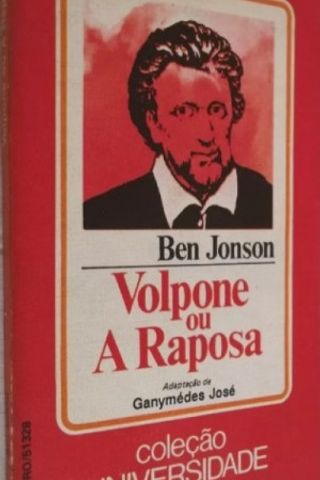
Adaptado por Ganymédes José, a narrativa trata de um homem rico, velho e sem filhos, apaixonado pelas boas coisas da vida e sobretudo pelo dinheiro que as compra, assim é Volpone. Ao seu redor vive uma nuvem de falsos amigos que ambicionam se tornarem seus herdeiros. Para se divertir com eles, Volpone se faz passar por moribundo, fazendo com que cada um acredite que será seu beneficiário. Dessa exposição de vícios e mesquinhez resulta uma visão absolutamente cínica da natureza humana. A penetração psicológica, a habilidade da construção dramática e sobretudo a verve utilizada por Ben Jonson fizeram de Volpone ou a raposa uma das melhores obras da literatura inglesa. ==== https://en.wikipedia.org/wiki/Volpone '(...) Volpone, Italian for "the Sly Fox") is a comedy play by English playwright Ben Jonson first produced in 1605–1606, drawing on elements of city comedy and beast fable. A merciless satire of greed and lust, it remains Jonson's most-performed play, and it is ranked among the finest Jacobean era comedies....' '(...) The play appeared in quarto in early 1607, printed by George Eld for publisher Thomas Thorpe. The quarto contains Jonson's dedication to Oxford and Cambridge, as well as a great number of commendatory verses, in English and Latin, by fellow-poets such as Francis Beaumont and John Fletcher. Its next appearance was in the folio of 1616, and the latter, presumably having been subject to Jonson's careful review, forms the basis of most modern editions. The play premiered at the Globe Theatre in Spring 1606. It was performed by the King's Men, but casting is uncertain. John Lowin may have performed the title role, as he is associated with the role in James Wright's Historia Histrionica (1699). William Gifford hypothesized that Alexander Cooke may have played Lady Would-be. Either that summer or the next, an outbreak of plague closed the London theatres, and the company performed the play at Oxford and Cambridge. Jonson may have added the first act's satire on Pythagoras for these audiences. The play certainly remained in the King's Men's repertoire throughout the period. It was performed for King Charles I in 1624 while he was still Prince of Wales, in 1630, and again at the Cockpit-in-Court in 1637....'
Volpone Ou A Raposa (Coleção Universidade de Bolso) - Volpone Or The Fox : A Comedy by Ben Jonson first acted in 1605-1606
Ben Jonson
Ediouro / Tecnoprint Gráfica Editora S. A.
1977
168 páginas
5h 36m
ISBN-13: 9788500513282
Português Brasileiro
Estatísticas
Avaliações
0 / 0- 5 estrelas0%
- 4 estrelas0%
- 3 estrelas0%
- 2 estrelas0%
- 1 estrelas0%
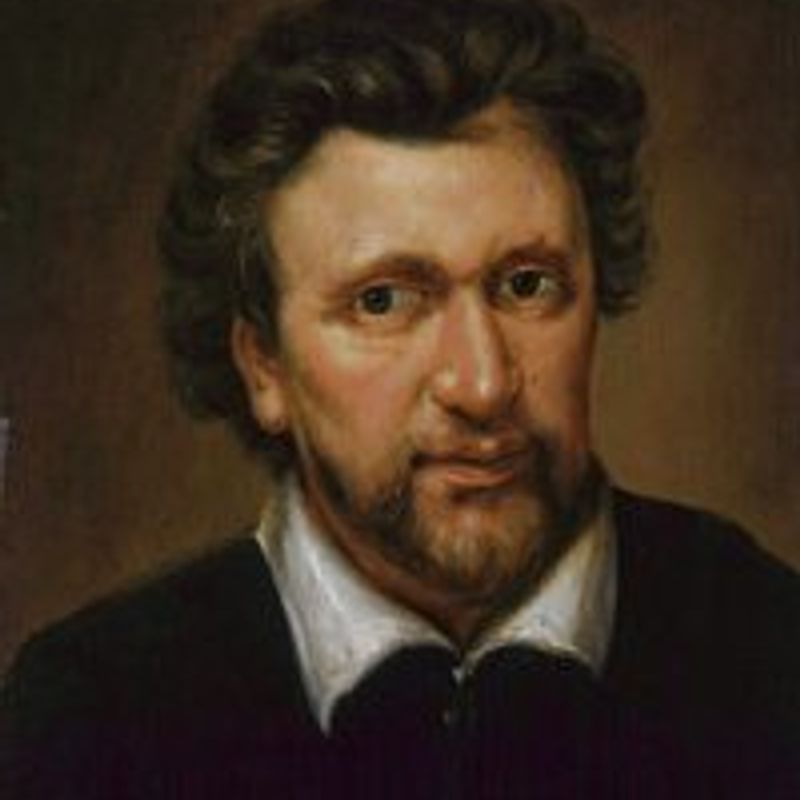
Benjamin Jonson
Ator, jornalista e poeta britânico muito influente e fértil, de fundamental importância para a renovação do teatro na primeira metade do século XVII. Suas peças eram tão populares em sua época quanto as do próprio William Shakespeare (1564-1616), seu rival contemporâneo e conterrâneo. Mestre do diálogo e do perfeito delineamento de personagens, manejava enredos muito bem construídos e defendia que o teatro era para divertir e instruir. Sua fórmula de comédia de costumes, que tinha por base uma curiosa teoria dos humores, continuou a exercer profunda influência na dramaturgia européia por mais de dois séculos seguintes. Suas obras mais famosas foram Volpone (1606), Epicoene (1609) e The Alchemist (1610).
7 Livros
3 Seguidores