Classic study of how leaders of major western railroads in the post Civil War era -- the Northwestern, the Burlington and the Rock Island -- developed arrangements that limited competition, fixed rates and increased the wealth and power of the lines. The author argues that the competitive conditions of the times made it imperative for the railroads to stabilize their rates. Based on the original soyrces, such as the records of the Chicago, Burlington and Quincy, the Northwestern and the private papers of James F. Joy. 184 pages.
The Iowa Pool - A Study in Railroad Competition : 1870-84
Julius Grodinsky
University of Chicago Press
1950
184 páginas
6h 8m
ISBN-10: B004LER4H8
Edições (1)
Ver mais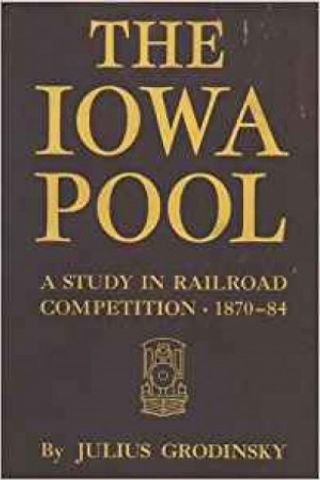
Estatísticas
Avaliações
0 / 0- 5 estrelas0%
- 4 estrelas0%
- 3 estrelas0%
- 2 estrelas0%
- 1 estrelas0%