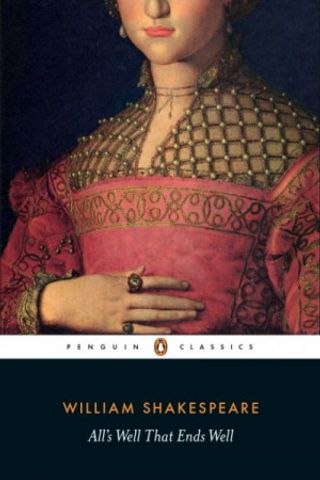
Classified as one of William Shakespeare's 'problem plays' for its unique mix of comedy and tragedy, All's Well that Ends Well is a masterpiece of irony and subtle wit. This Penguin Shakespeare edition is edited by Barbara Everett with an introduction by Janette Dillon. 'All's well that ends well; still the fine's the crown Whate'er the course, the end is the renown' Helena, physician's daughter of humble birth, cures the King of France, and in return is promised the hand of any nobleman she wishes. But the man she chooses, the proud young Bertram, Count of Rosillion, flees to Florence, refusing to consent to the forced marriage unless Helena can pass two seemingly impossible tests. But with the help of the virginal Diana and her mother, Helena uses her wits and wiles to coerce Bertram into submission. Depicting the triumph of trickery over youthful arrogance, All's Well that Ends Well is among Shakespeare's darkest romantic comedies, yet it remains a powerful tribute to the strength of love. This book contains a general introduction to Shakespeare's life and Elizabethan theatre, a separate introduction to All's Well that Ends Well, a chronology, suggestions for further reading, an essay discussing performance options on both stage and screen, and a commentary.
All's Well That Ends Well -
William Shakespeare
Penguin
2015
272 páginas
9h 4m
ISBN-13: 9780141396262
Edições (3)
Ver mais
Resenhas (1)Ver mais

ricardo marçal25/06/2020Resenhou um livro
7 curtidas
Estatísticas
Avaliações
3.4 / 15- 5 estrelas33%
- 4 estrelas13%
- 3 estrelas27%
- 2 estrelas13%
- 1 estrelas13%