The Parson was not published in Anna Kavan’s lifetime, but found after her death in manuscript form. Thought to have been written between the mid 50s and early 60s, it presages, through its undertones and imagery, some of Kavan’s last and most enduring fiction (such as Ice). The Parson of the title is not a cleric, but an upright young army officer so nicknamed for his apparent prudishness. On leave in his native homeland, he meets a rich and beguiling beauty, the woman of his dreams. The days that the Parson spends with Rejane, riding in and exploring the wild moorland have their own enchantment. But Rejane grows restless in this desolate land; doubtless in love with the Parson, she discourages any intimacy. Until that is, she persuades him to take her to a sinister castle situated on a treacherous headland . . . The Parson is less a tale of unrequited love than exploration of divided selves, momentarily locked in an unequal embrace. Passion is revealed as a play of the senses as well as a destructive force. There have been valid comparisons to Poe, Kafka and Thomas Hardy, but the presence of her trademark themes, cleverly juxtaposed and set in her risk-taking prose, mark The Parson as uniquely Kavan.
Edições (1)
Ver mais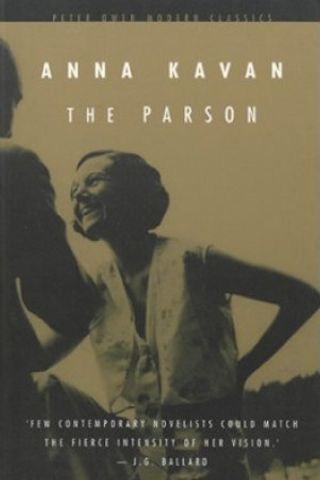
Estatísticas
Avaliações
0 / 0- 5 estrelas0%
- 4 estrelas0%
- 3 estrelas0%
- 2 estrelas0%
- 1 estrelas0%
Helen Emily Woods
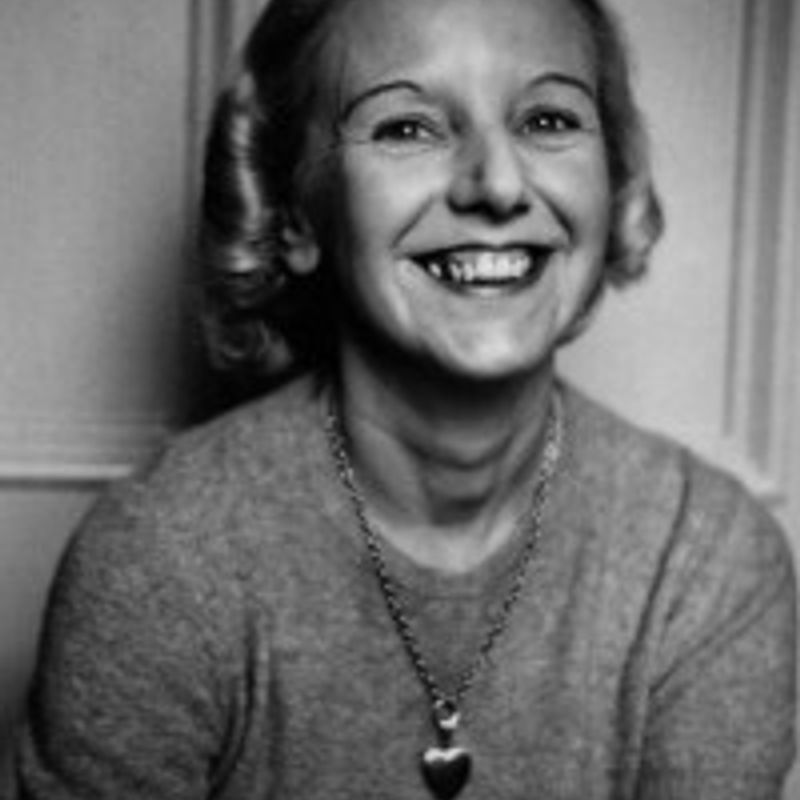
Anna Kavan (1901-1968) foi uma escritora e artista plástica britânica. Começou publicando sob seu nome de casada, Helen Ferguson, em 1929 e em 1940 passou a publicar sob o nome Anna Kavan (uma de suas próprias personagens fictícias). A sua escrita era em grande parte inovadora e experimental, influenciada pela batalha que travou ao longo da vida contra depressão severa e dependência crônica em heroína. Antes de morrer, a autora destruiu toda a sua correspondência e diários pessoais, ambicionando tornar-se «um dos maiores segredos do mundo literário». Quase o conseguia, não fosse a força profundamente inovadora da sua escrita e a admiração incondicional dos seus pares, entre os quais se contam nomes como Anaïs Nin, J. G. Ballard, Doris Lessing ou Patti Smith, a terem resgatado de um possível e injusto esquecimento.