Among the best known of Balzac’s novels, Lost Illusions chronicles the rise and fall of Lucien Chardon, a vain but naive young poet who leaves his provincial home to seek success and fortune in Parisian society. Paralleling Lucien’s disastrously ambitious journey is the story of his friend and brother-in-law, hard-working inventor David Séchard, who is beset by unscrupulous competitors and cheated in his printing business by his own father. Considered the founder of French realism, Balzac painted equally faithful pictures of the glittering but superficial world of society and the lonely struggle of impoverished men of genius. The city has a corrosive effect on Lucien’s artistic talent and moral strength, while David takes a brave stand against the constraints of provincial small-mindedness. Balzac plays out their contrasting but intertwined stories against the enduring themes of love, ambition, greed, loyalty, vanity, and betrayal. Will Lucien’s debts be the ruin of both? Published between 1837 and 1843, Lost Illusions is part of La Comédie Humaine, into which Balzac grouped more than ninety interlocking novels. In Lost Illusions, scores of minor characters from these other works help bring early-nineteenth-century France to brilliant life.
Edições (1)
Ver mais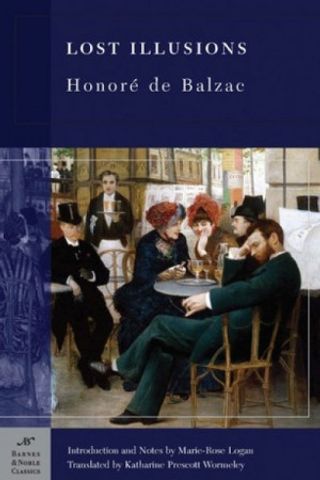
Estatísticas
Avaliações
0 / 0- 5 estrelas0%
- 4 estrelas0%
- 3 estrelas0%
- 2 estrelas0%
- 1 estrelas0%

Honoré de Balzac
Foi um renomado escritor francês. Uma de suas principais obras foi A Comédia Humana, série de romances notáveis e contos em que Balzac demonstra as principais características de seu estilo literário: sentimentos, realidade social, descrições minuciosas, cotidiano da vida burguesa, imaginação e valorização das paixões humanas. Passava aproximadamente 15 horas por dia escrevendo movido a muitas xícaras de café. Casou-se no ano de sua morte com uma polonesa, Eveline Hanska, com quem manteve contato por carta por aproximadamente 15 anos.
219 Livros
383 Seguidores