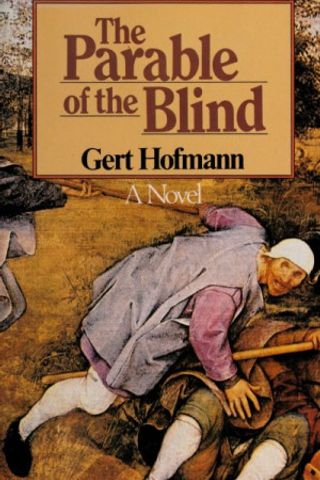
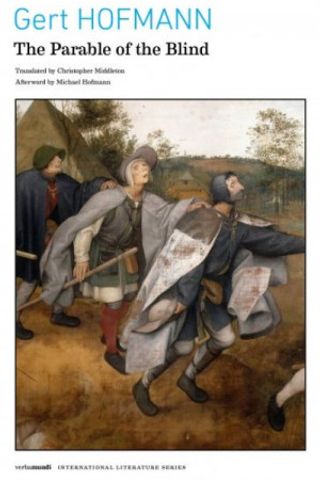
“A knocking on the barn door drags us out of our sleep. No, the knocking isn’t inside us, it’s outside, where the other people are.” With that, six blind beggars in 16th century Flanders–a ragged, profane, and irascible crew–find themselves waking to yet another grim day in the dark. Today, however, something is different. Today these men have an appointment with a painter: they have been hired as models, to pose for Pieter Bruegel’s grotesque masterpiece-in-the-making, The Parable of the Blind. With startling verbal ingenuity and black humor worthy of Beckett or José Saramago, Gert Hofmann’s novel follows this tattered sextet’s shambling progress across a Renaissance landscape peopled by half-heard voices and unseen dangers, towards their ultimate encounter with the great, capricious artist, and (perhaps) their own immortality. A profound (and profoundly skeptical) meditation on the pitfalls and contradictions of art-making, and the fragility of human communities, The Parable of the Blind stands as a high-water mark of postwar German literature.
Edições (4)
Ver mais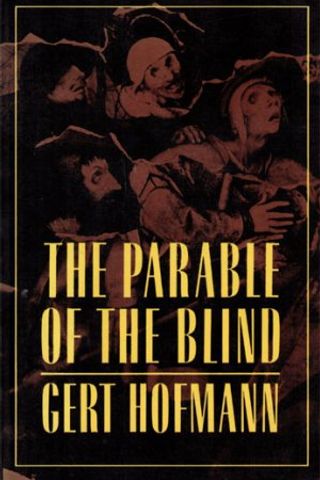
Estatísticas
Avaliações
0 / 0- 5 estrelas0%
- 4 estrelas0%
- 3 estrelas0%
- 2 estrelas0%
- 1 estrelas0%

Gert Hofmann
Gert Hofmann (1931-1993) foi um escritor e educador alemão. Ele trabalhou por um tempo na Universidade de Edimburgo como professor de literatura alemã moderna e recebeu muitos prêmios, mais recentemente o Independent Independent Fiction Award em 1996 por "The Film Explainer". Pai do poeta e tradutor Michael Hofmann, responsável pela tradução de muitas de suas obras para o inglês.
6 Livros
0 Seguidor