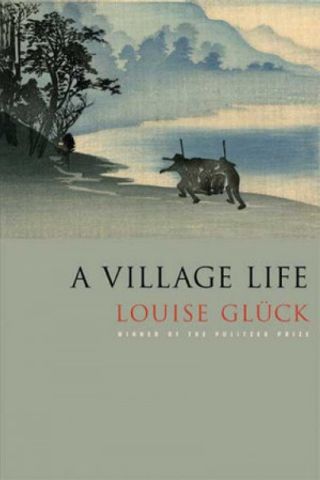
A Village Life, Louise Glück's eleventh collection of poems, begins in the topography of a village, a Mediterranean world of no definite moment or place: All the roads in the village unite at the fountain. Avenue of Liberty, Avenue of the Acacia Trees— The fountain rises at the center of the plaza; on sunny days, rainbows in the piss of the cherub. —from "tributaries" Around the fountain are concentric circles of figures, organized by age and in degrees of distance: fields, a river, and, like the fountain's opposite, a mountain. Human time superimposed on geologic time, all taken in at a glance, without any undue sensation of speed. Glück has been known as a lyrical and dramatic poet; since Ararat, she has shaped her austere intensities into book-length sequences. Here, for the first time, she speaks as "the type of describing, supervising intelligence found in novels rather than poetry," as Langdon Hammer has written of her long lines—expansive, fluent, and full—manifesting a calm omniscience. While Glück's manner is novelistic, she focuses not on action but on pauses and intervals, moments of suspension (rather than suspense), in a dreamlike present tense in which poetic speculation and reflection are possible.
Resenhas (1)Ver mais
@psi.adriana.scarpin20/10/2020Resenhou um livro
Earthworm
1 curtida
Estatísticas
Avaliações
4.1 / 7- 5 estrelas57%
- 4 estrelas29%
- 3 estrelas0%
- 2 estrelas0%
- 1 estrelas14%
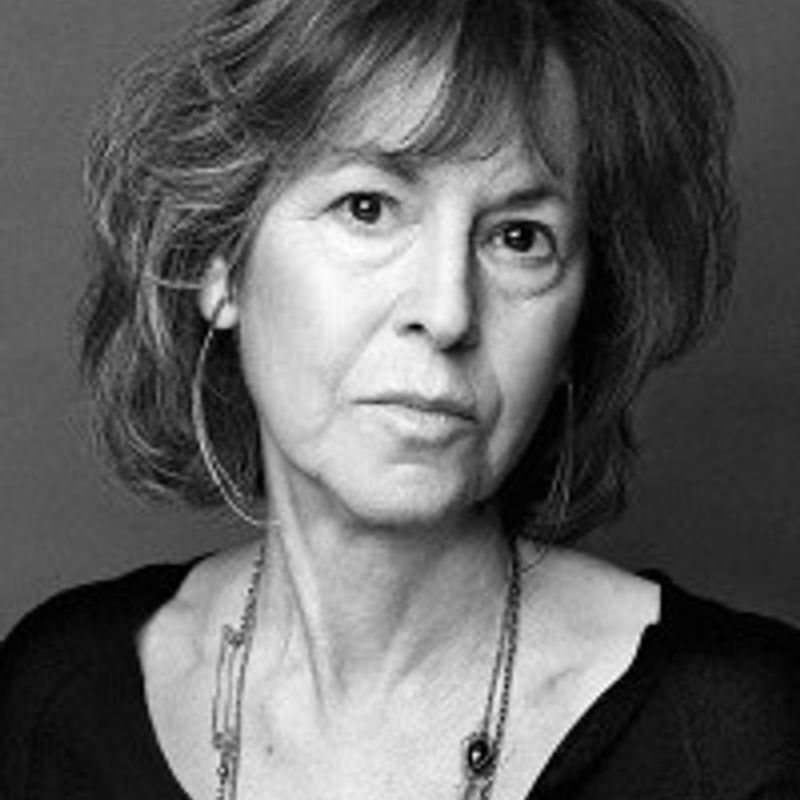
Louise Elisabeth Glück
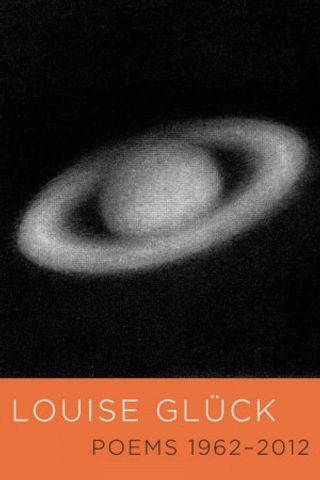
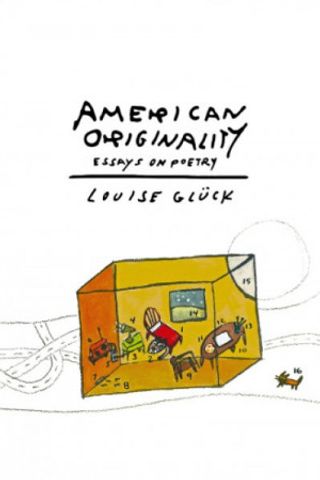
Louise Glück é uma poeta americana cuja disposição para enfrentar o horrível, o difícil e o doloroso resultou em um corpo de trabalho caracterizado por discernimento e um lirismo severo. Seus prêmios literários e honrarias incluem o Prêmio Pulitzer, o National Book Award e recentemente o Prêmio Nobel de 2020. Sua primeira coletânea de poesia, <i>Firstborn</i> (1968), usou uma variedade de personas em primeira pessoa, todas insatisfeitas ou raivosas. O tom da coleção incomodou muitos críticos, mas a linguagem primorosamente controlada de Gluck e o uso imaginativo da rima e do medidor encantaram os outros. Embora sua perspectiva seja igualmente sombria, <i>The House on Marshland</i> (1975) mostra um maior domínio da voz. Lá, como em seus volumes posteriores, a persona de Glück incluía figuras históricas e míticas como Gretel e Joan of Arc. Os poemas de <i>The Triumph of Achilles</i> (1985), que ganhou o prêmio National Book Critics Circle, abordam temas arquetípicos do mito clássico, dos contos de fadas e da Bíblia. Essas preocupações também são evidentes em <i>Ararat</i> (1990), que tem sido aclamado por honestidade sincera em seu exame da família e do self. Os poemas em <i>The Wild Iris</i> (1992), que ganhou o Prêmio Pulitzer, abrangem os reinos natural, humano e espiritual, e estão unidos pelos temas universais do tempo e da mortalidade. <i>Averno</i> (2006) foi seu tratamento bem recebido do mito de Perséfone. <i>A Village Life</i> (2009) - sobre a existência em uma pequena cidade do Mediterrâneo - é escrita em um estilo profusamente descritivo que se afasta significativamente da parcimônia que caracterizava seu verso anterior. A coletânea <i>Poems 1962–2012</i> compilou todos os seus volumes publicados de poesia até 2012. Seu último trabalho poético, <i>Faithful and Virtuous Night</i> (2014), que trata da mortalidade e do silêncio noturno, foi aclamado pela crítica e recebeu o National Book Award em 2014. Publicou também <i>American Originality</i> (2017), uma coleção de seus ensaios escritos com o mesmo controle analítico e investigativo que distingue sua poesia.
25 Livros
12 Seguidores
NY, EUA